If you read nothing else
- Timanfaya National Park is about 51 square kilometers (20 square miles) in size, a compact field of cones, ash and cracked lava in the south west of Lanzarote.[1]
- At Islote de Hilario the surface reaches around 250 ºC, and at 13 m deep temperatures can reach more than 600 ºC.[2]
- The standard adult entrance ticket for Montañas del Fuego costs 30.00 EUR, and independent entry tickets are sold online only, for a specific time slot.[3][4]
- Timanfaya is the word on road signs across the south of the island, while the summit area inside the park is signed Montañas del Fuego, the fire mountains.
- The tour booked from this site runs 9 hours and includes Timanfaya National Park, Cueva de los Verdes and Jameos del Agua, with pickup included.[5]
- Top choice Timanfaya, Jameos and Caves from US$102 Duration9 hours[5]Rating4.47 from 2,662 reviews[5]Guide languagesEnglish, French, German, Spanish[5]CancellationFree, up to 24 hours ahead[5] Check availability
- Volcanos of Timanfaya from US$109 Duration9 hours[6]Rating4.52 from 531 reviews[6]Guide languagesSpanish, English, French, German[6]CancellationFree, up to 24 hours ahead[6] See this tour
- Timanfaya Park Tour from US$68 Duration6 hours[7]Rating4.40 from 885 reviews[7]Guide languagesEnglish, Spanish[7]CancellationFree, up to 24 hours ahead[7] See this tour
With the decree of August 9, 1974, published in the Official State Gazette on September 17 of the same year, Timanfaya acquired the category of National Park.
Is the Timanfaya and caves day worth it?
What to wear and pack
- Sun cream and a hat: the pale lava throws light back at you and there is little shade
- A light windproof layer, the wind over the ash slopes can be sharp even on warm days
- Closed shoes with grip for loose gravel, dusty paths and uneven rock
- A water bottle, the dry air and the walking make you thirsty faster than you expect
Making the day run smoothly
- Have your booking reference to hand at the pickup point
- Allow the full day if you are adding the caves, a half day only fits the fire mountains
- Decide between a guided coach, a self drive visit or a hike before you book
- Stay on the marked paths and behind the barriers, the ground is hot just below the surface
Timanfaya National Park: the essentials
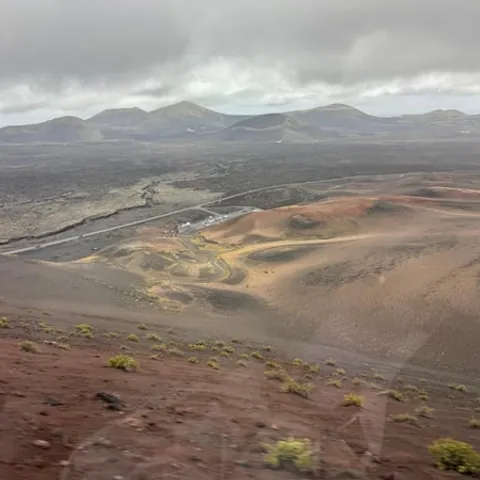
Timanfaya lies in the south west of Lanzarote, a spread of black and rust coloured cones, ash slopes and cracked lava that still looks fresh from the oven. There is very little green in it: a few lichens, a few stubborn shrubs, and otherwise rock in shades from charcoal to ochre, with pale dust lifting off the crests when the wind gets up. Timanfaya was declared a National Park by a decree of August 9, 1974, published in the Official State Gazette on September 17, 1974.[8]
The landscape has done duty as other worlds. Several films inspired by other planets have been filmed in Timanfaya, including Enemy Mine, Krull, Mission Stardust, Stranded and Operation Ganymed.[9] The appeal is easy to see. There is no tree line, no farmland and no village inside the park, just cones with perfect bowls and lava that set into folds and ropes, all of it shifting colour as cloud and dust move across the field.
Most visits are built around the same short circuit. The Route of the Volcanoes has adapted coaches.[10] It runs through the heart of the field, with pauses where a guide explains what you are looking at. After that, the visitor centre at Mancha Blanca is the place to fill in the gaps: how the eruptions began, why the lava ran the way it did, and how plants have crept back into the ash.
How big is Timanfaya National Park?
Timanfaya National Park is about 51 square kilometers (20 square miles) in size.[1] On a map of Lanzarote that is a modest dark patch between Yaiza and the west coast, but on the ground it reads much larger. The lava field rolls away in every direction, and the cones sitting on it are close enough together that you are usually looking at three or four at once. Half the trick of the place is scale: not one mountain to climb, but a whole burnt plain.
The island is small and the road distances are short. Puerto del Carmen and Timanfaya National Park are about 22 km apart directly, with a road distance of about 23.5 km.[11] Line 60 passes through Yaiza on its route between Arrecife and Playa Blanca[12], so Yaiza is a practical place to aim for if you are travelling without a car and picking up a tour or a taxi from there. Organized tours from the resorts use the same roads and collect passengers along the coast.
If you are driving yourself, the park road is a one way loop and the order of what you see is fixed. Give yourself time to stop, and expect to share the pull offs with the coaches. A calm pace suits the place better than a tight schedule.
Lava and ash on the Timanfaya plain, with the fire mountains rising behind.
How high is Timanfaya and how hot the ground gets
Timanfaya is not one mountain. It is a field of fire mountains, the Montañas del Fuego, a cluster of cones and craters with no single summit. Ask about height here and the conversation tends to slide into heat. For scale in the Canaries, Tenerife's Teide rises to 12,188 feet (3,715 meters) and is the highest mountain in Spain.[13] What you feel in Timanfaya is not altitude: it is warmth coming up through the rock, steam in the air and the smell of hot stone.
At Islote de Hilario the surface reaches around 250 ºC, and at 13 m deep it can reach more than 600 ºC.[2] The demonstrations are quick and simple. A guide tips dry brush into a hollow and it flares, and water poured into a crack comes back as a column of steam. Under the crust, the field is still doing, very slowly, what it did when it first cooled.
El Diablo Restaurant sits on the same heat. Near the dining area it uses natural heat from the subsoil, where temperatures exceed 600 °C just 15 meters below the surface, and meat and vegetables are cooked without fire or electricity, directly on a grill placed over an open cavity in the rock.[14] If you want something gentler, the camel ride at Timanfaya lasts approximately 20 minutes[15], out among the ash with the cones on the skyline.
What does Timanfaya mean and where the name sits
The word is on every sign in this part of Lanzarote, from the turn off at Yaiza to the park itself, and you will hear it explained in more than one way on a tour. The tellings usually circle the same ground: fire, and the people who lived through the eruptions that made it. The summit area inside the park is signed Montañas del Fuego, the fire mountains, and that is the plainer label of the two.
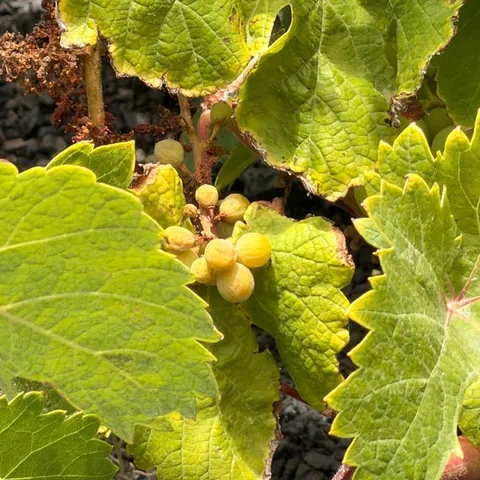
The eruptions behind the name are dated to the 1730-1736 eruptive period, and the park's Termesana Route is designed to bring visitors into close contact with the volcano and the culture of Lanzarote's inhabitants during that time.[16] That mix of rock and human history is what gives the name its weight. Villages were lost, fields were buried, and the people who stayed rebuilt their lives around the ash, planting vines in hollows scooped out of the lapilli.
from US$102
Nine hours with pickup included, calling at Timanfaya National Park, Cueva de los Verdes and Jameos del Agua.[5]
Tickets, opening times and the Mancha Blanca centre
The standard adult entrance ticket for Montañas del Fuego (Timanfaya) costs 30.00 EUR.[3] Tickets for independent entry to Montañas del Fuego can only be purchased online and for a specific time slot.[4] Plan your day around the slot you choose and keep the booking on your phone. If you join an organized tour, ask what the operator covers before you set off.
The Centro de Visitantes e Interpretación de Mancha Blanca is open Monday to Sunday from 9:00 to 16:00.[17] It gives free access to its exhibition and audiovisual programme[18], and it is a good first stop if you want the eruptions and the rock types explained before you see them at close range. From there the road runs north towards the park, past villages and vineyards that were shaped by the same events.
The caves: Cueva de los Verdes and Jameos del Agua
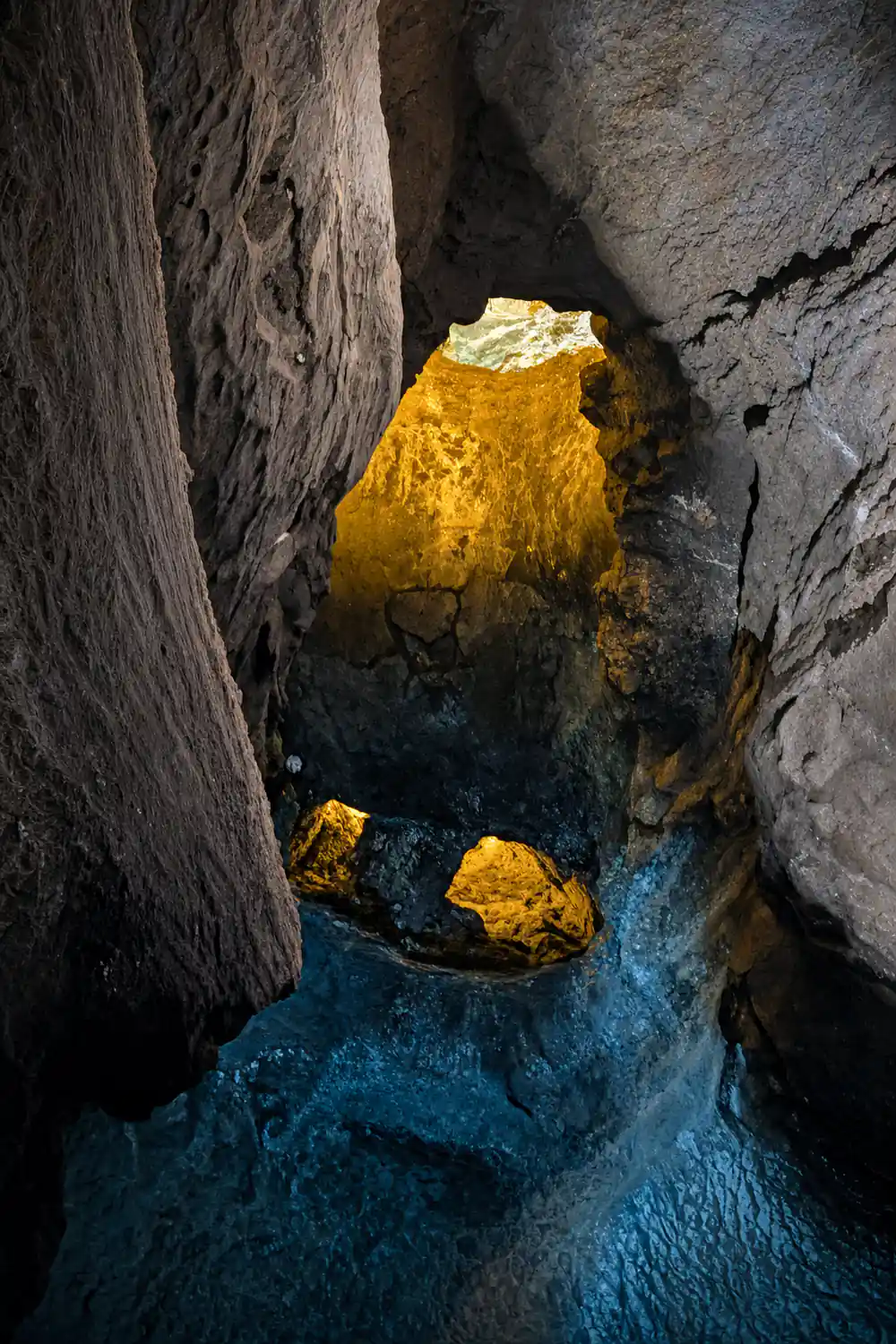
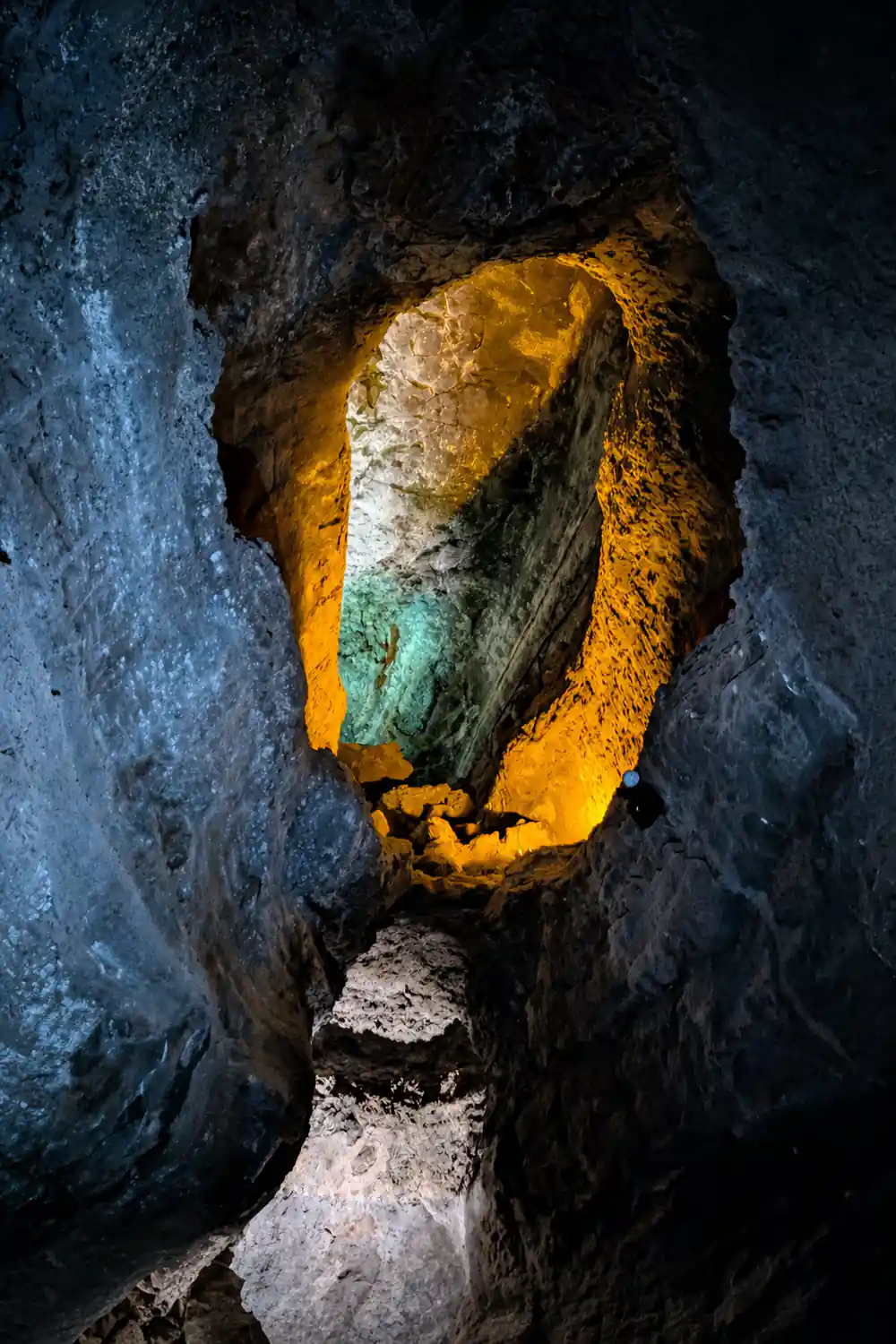
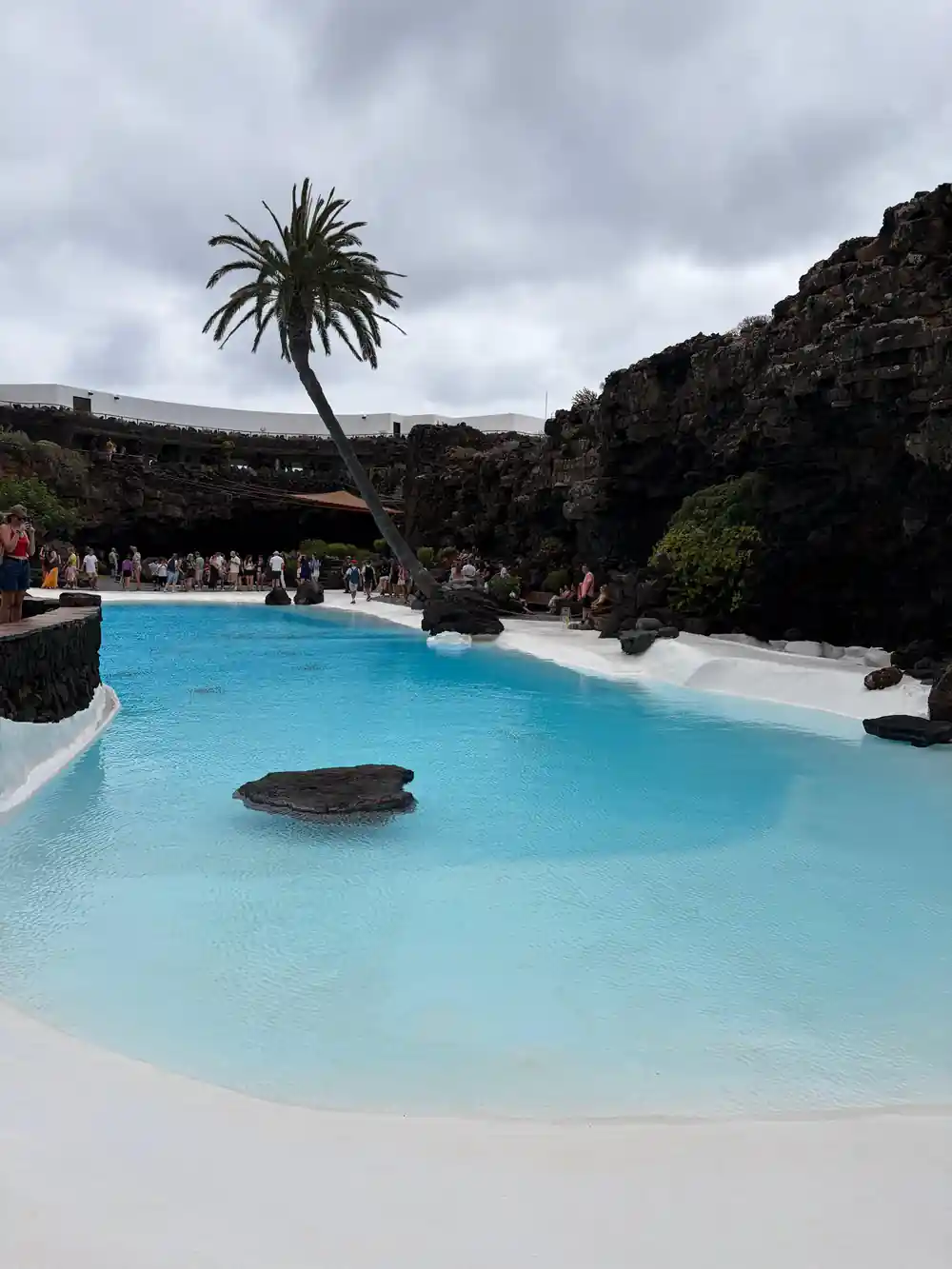
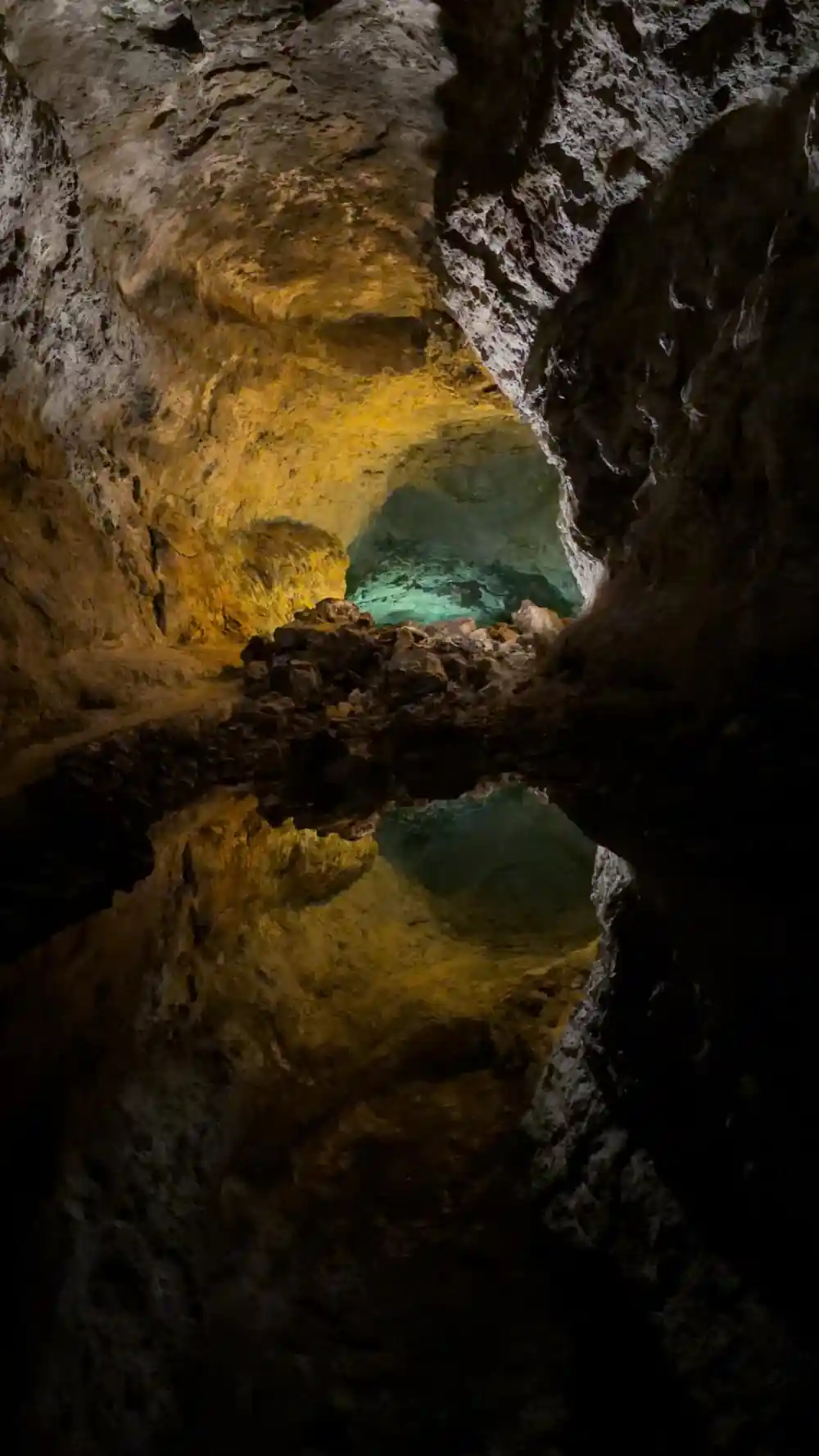
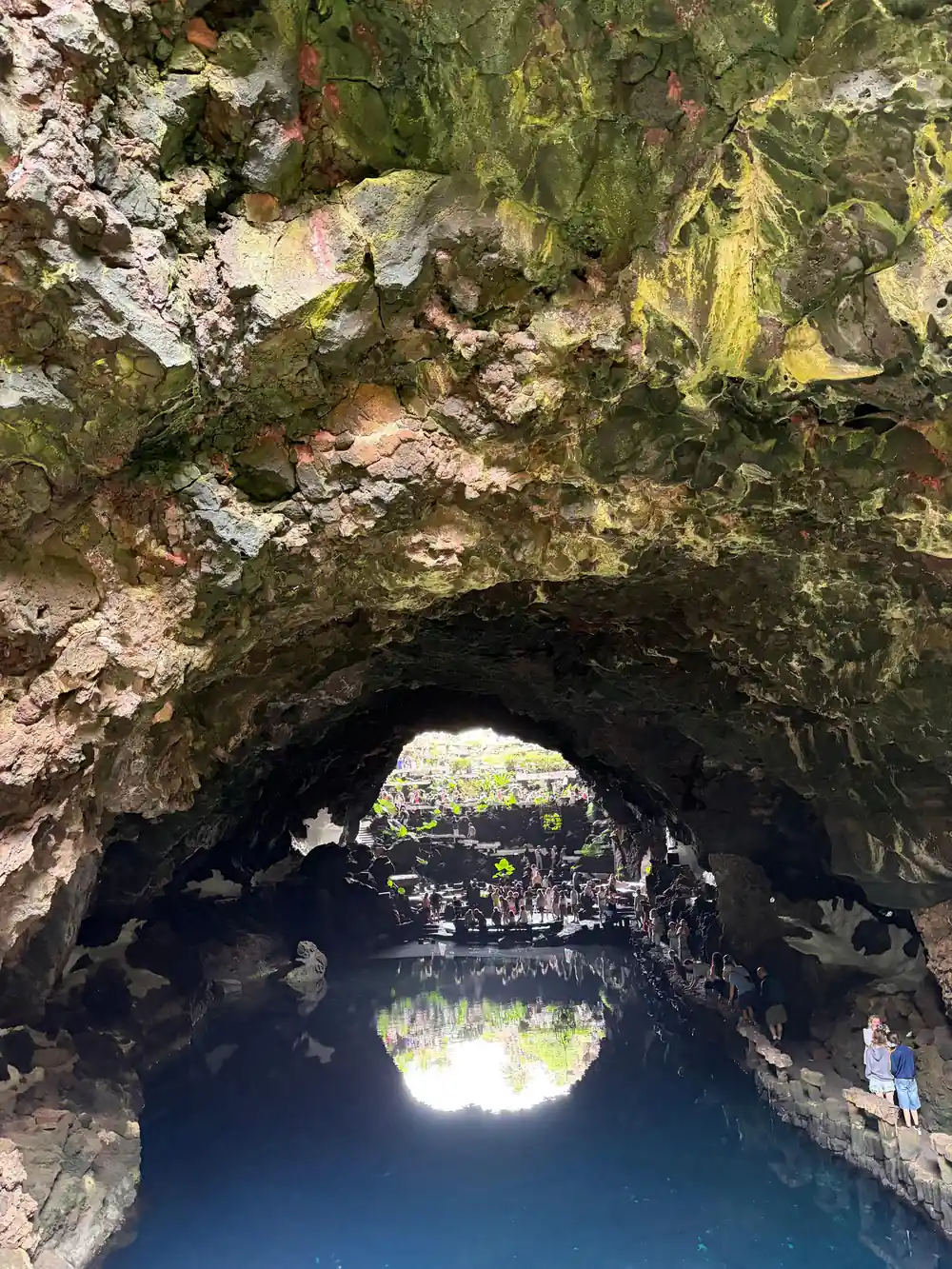
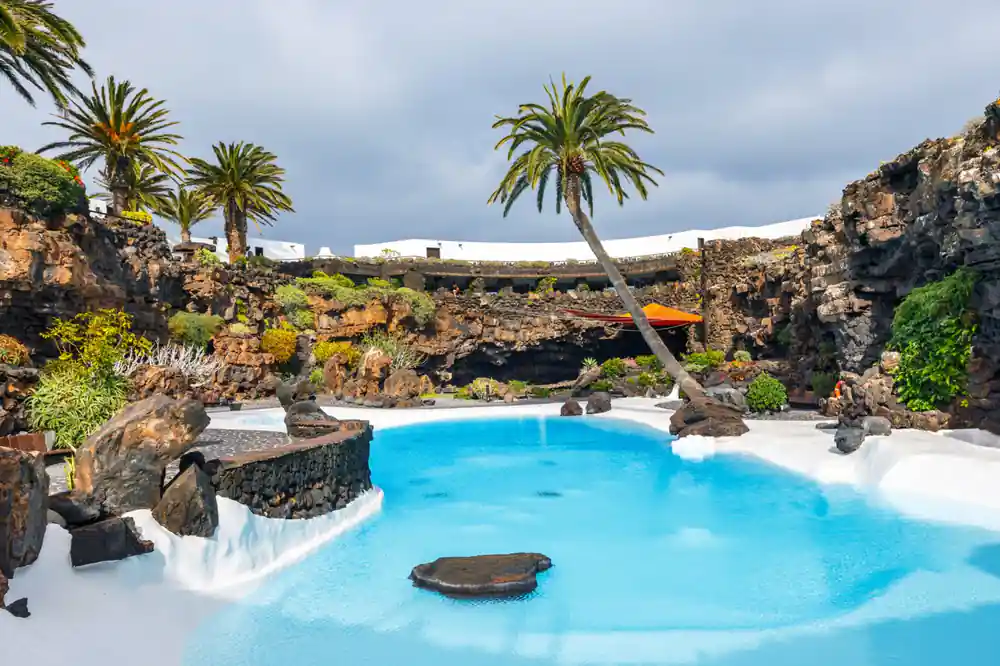
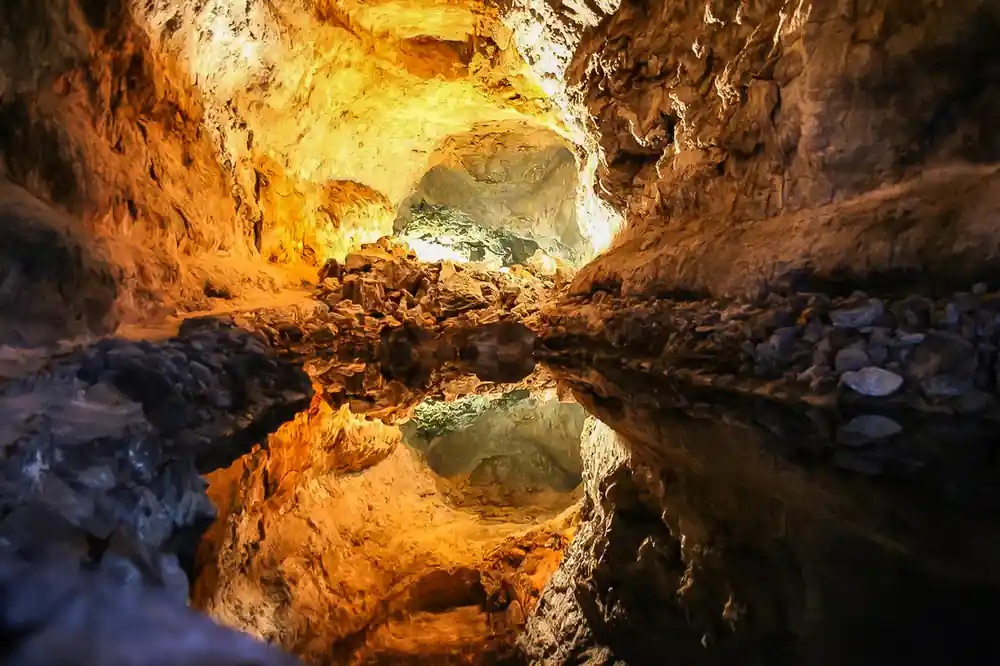
East of the fire mountains the story changes from fire to stone and water. Long ago, lava ran from the north of the island down to the sea and cooled on top while the molten centre kept moving underground, leaving a tunnel behind. Two stretches of that tunnel are open to visitors. Cueva de los Verdes is a walk through the tube itself, with walls that fold and glisten under the lights. Jameos del Agua is the part where the roof fell in, leaving a sunken garden and a still pool below the sky.
The tour booked from this site covers both caves as well as Timanfaya National Park, and it runs 9 hours.[5] Pickup is included, with 61 pickup location options and 61 drop-off locations, so you can usually start close to where you are staying.[5] The ticket line is skipped, and the guides speak English, French, German and Spanish.[5]
Bring a light layer for the caves. Underground the air is cooler and still, and after an hour in the wind on the lava field you will notice it. Shoes with grip help on the stepped sections inside the tunnel, and low light means photographs come out better when you steady the phone against something solid.
Planning your Timanfaya day: tours, buses and camels
The south of the island deserves a full day. The tour booked from this site runs 9 hours from US$102 and combines the fire mountains with both caves.[5] Other options come down to duration, group size and what is included. A nine hour Volcanos of Timanfaya and Caves tour with lunch is listed from US$109.[6] A shorter Timanfaya National Park Tour takes 6 hours and is listed from US$68.[7]
If your time is tight, there are express options. A Timanfaya National Park express tour lasts 3 hours and skips the line through an express security check, from US$66.[19] From Yaiza, a two hour express tour is listed at from US$66 with no queues.[20] Walkers have their own choices, including a guided volcano hike with transfers that runs 3.5 to 4 hours from US$48.[21]
Whichever you choose, treat the day as a long one. Layers, water, sun cream and shoes that can handle gravel will see you through. An early departure brings cooler air and softer light on the cones, and a late one brings the warm colours that make the lava look freshly poured. Leave the evening free afterwards rather than planning a second outing.
Timanfaya tours by hours on the road
Durations as listed for these tours: 2 hours[20], 3 hours[19], 6 hours[7] and 9 hours[5].
From prices for a Timanfaya day, per person
US dollar from-prices for these GetYourGuide listings:[5],[6],[7] and[19].
When to go and when to book
Planning the day
Pick your kind of day
Decide whether you want the caves as well as the fire mountains, since that choice decides between a half day and a full day out.
Sort the ticket
Independent entry to Montañas del Fuego is sold online only, for a specific time slot, so book before you travel.[4]
Work out the journey
Line 60 passes through Yaiza between Arrecife and Playa Blanca, which is handy if you are travelling without a car.[12]
Pack for wind and sun
Sun cream, a hat, water and a light windproof layer cover most days on the lava, where shade is scarce and the wind is constant.
Keep the evening clear
A full day that starts with a pickup and ends with a drop off runs long, so leave the evening free rather than planning a second trip.
See the fire mountains, the caves and the green lagoon in one day
from US$103Reserve now & pay later