









What This Tour Covers
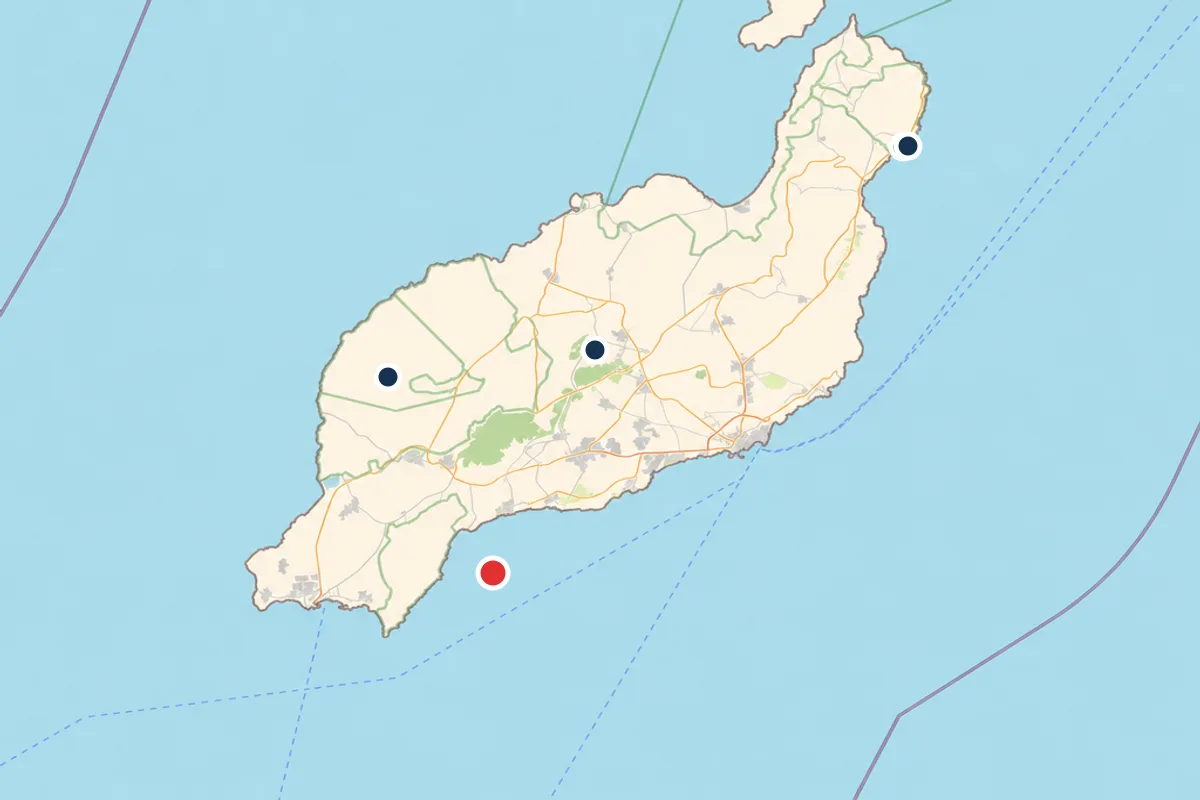
This full-day excursion takes you through three of Lanzarote's most striking volcanic landmarks in a single 9-hour journey. You'll travel by air-conditioned bus with a guide who contextualizes what you're seeing, moving between Timanfaya National Park, Cueva de los Verdes, and Jameos del Agua. The itinerary is built around the geological story of the island: you experience an active volcanic landscape, explore a lava tube system, and finish at a subterranean marvel. Pickup and drop-off are handled at any of 61 locations across the island, which means the tour adapts to where you're staying rather than forcing you to a central point. This structure makes it practical for visitors based anywhere in Lanzarote.
The guide's role is to move you efficiently between sites and explain what each one represents geologically and historically. You're not on a rushed bus tour where you barely step out; the pacing allows genuine time at each location. Because the three stops are spread across the island, having organized transport eliminates the logistical puzzle of renting a car, navigating unfamiliar roads, and finding parking at popular sites. For many visitors, this removes friction from the day.
Timanfaya National Park
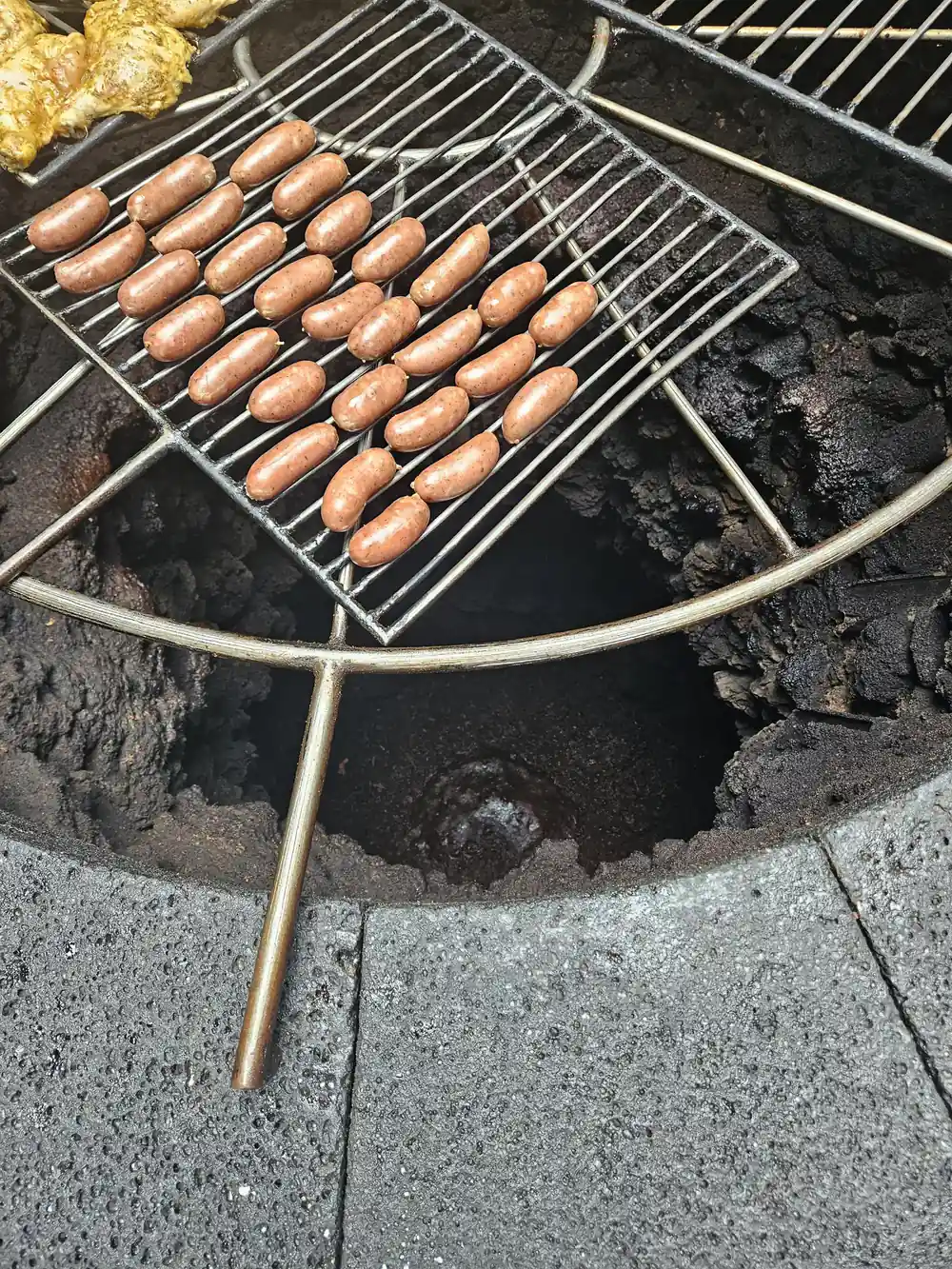
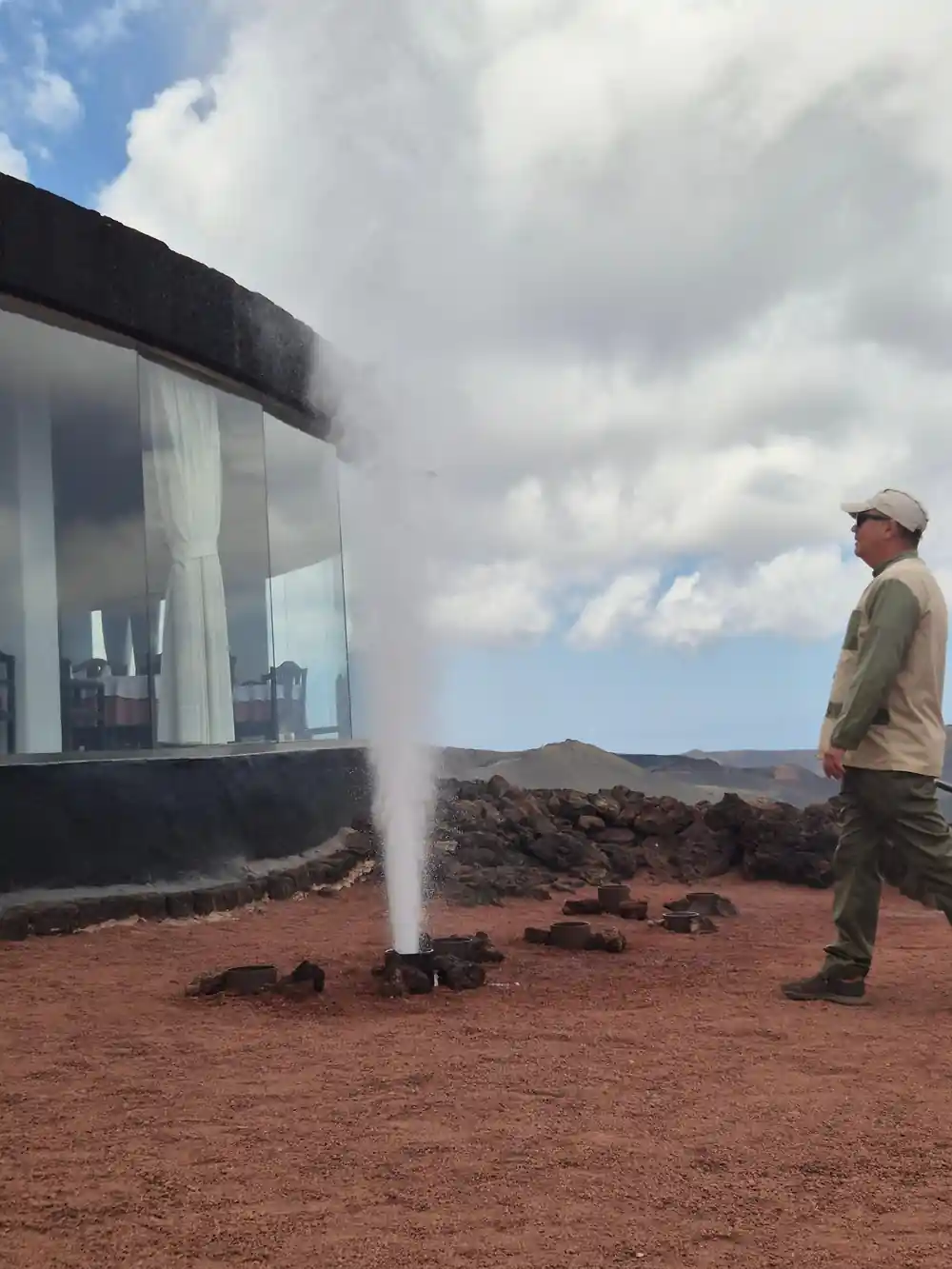
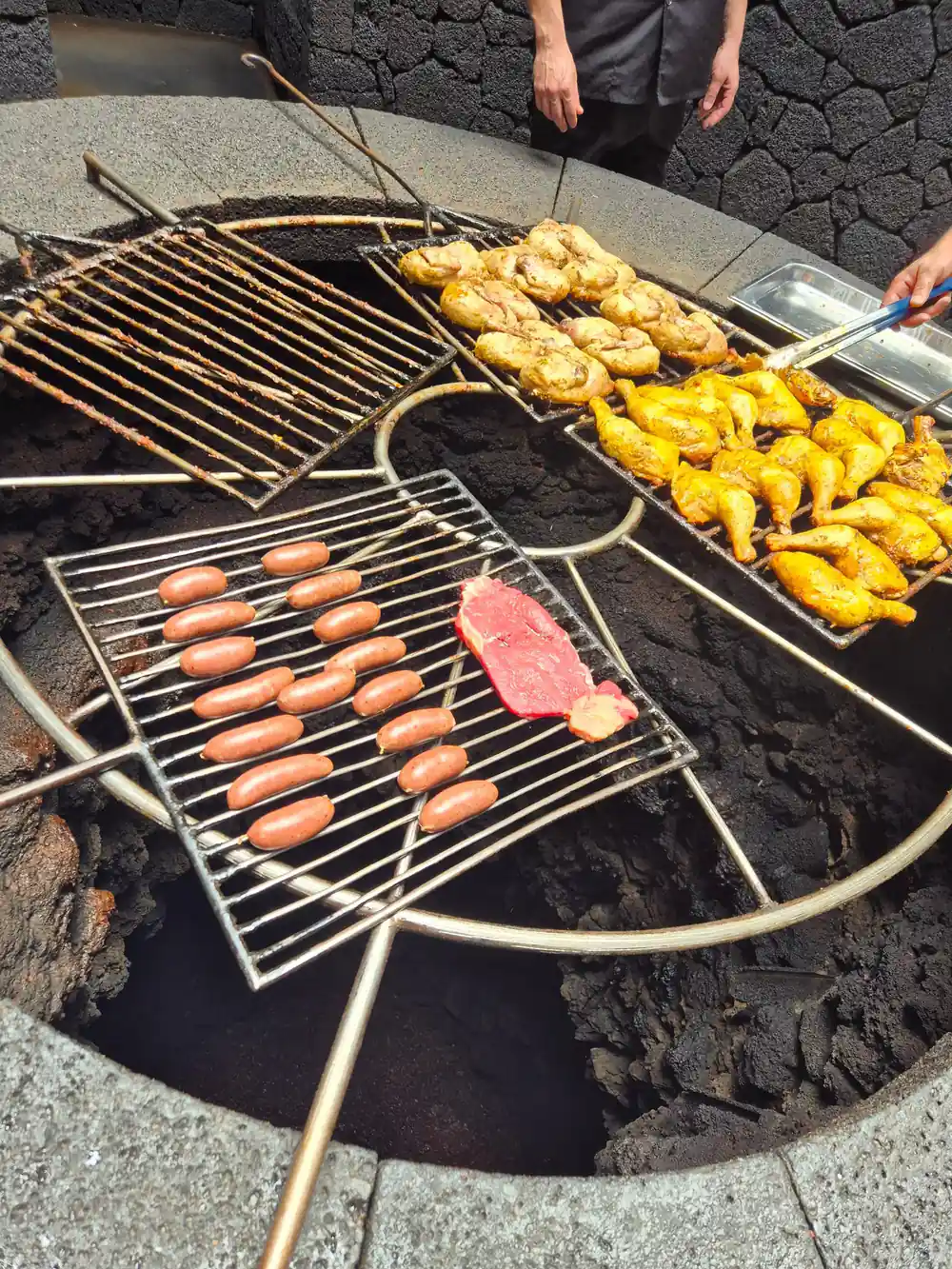
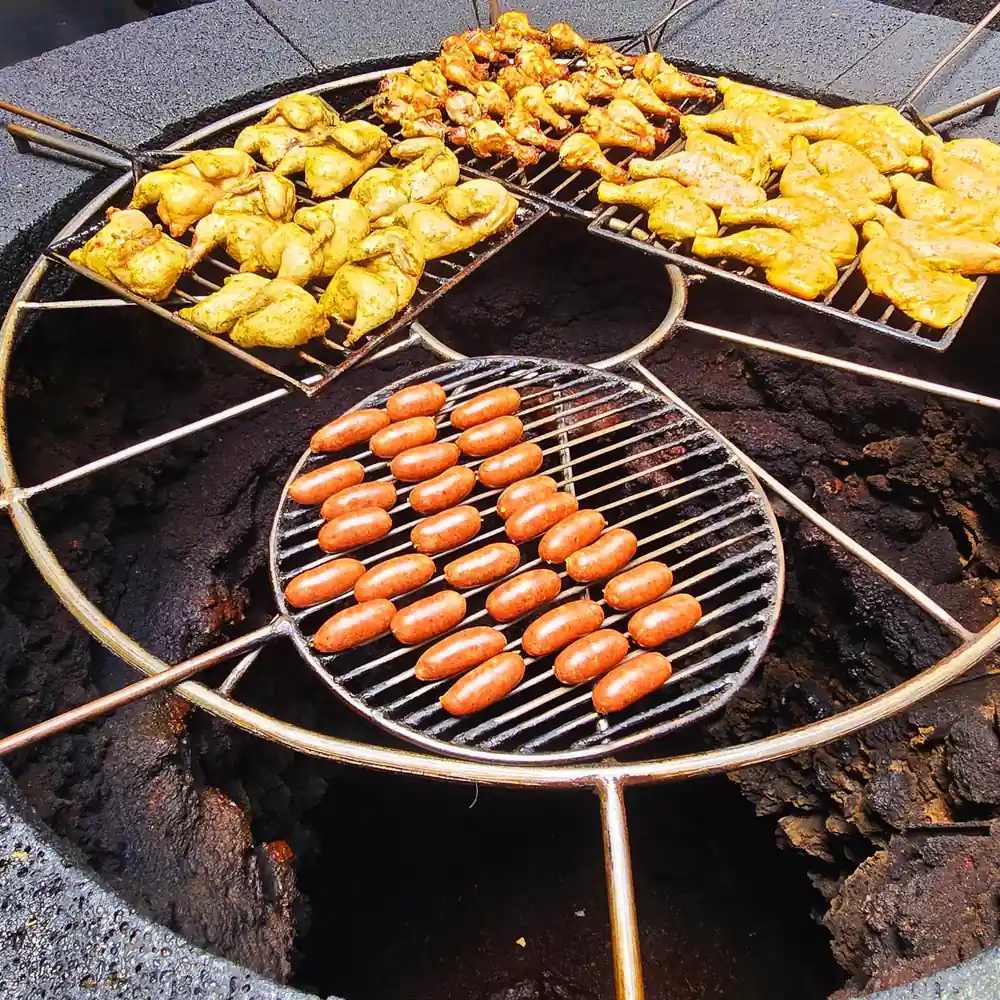
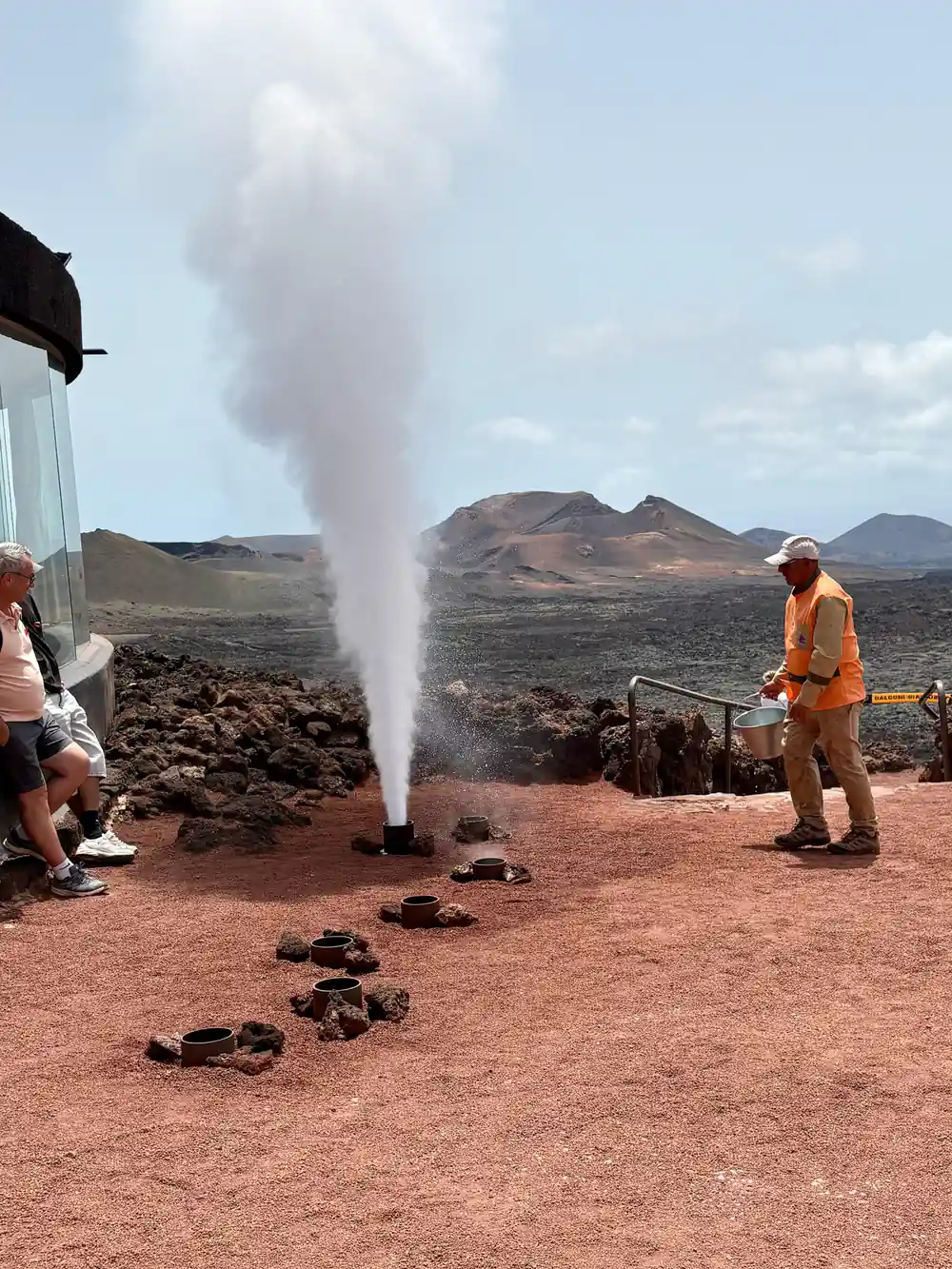
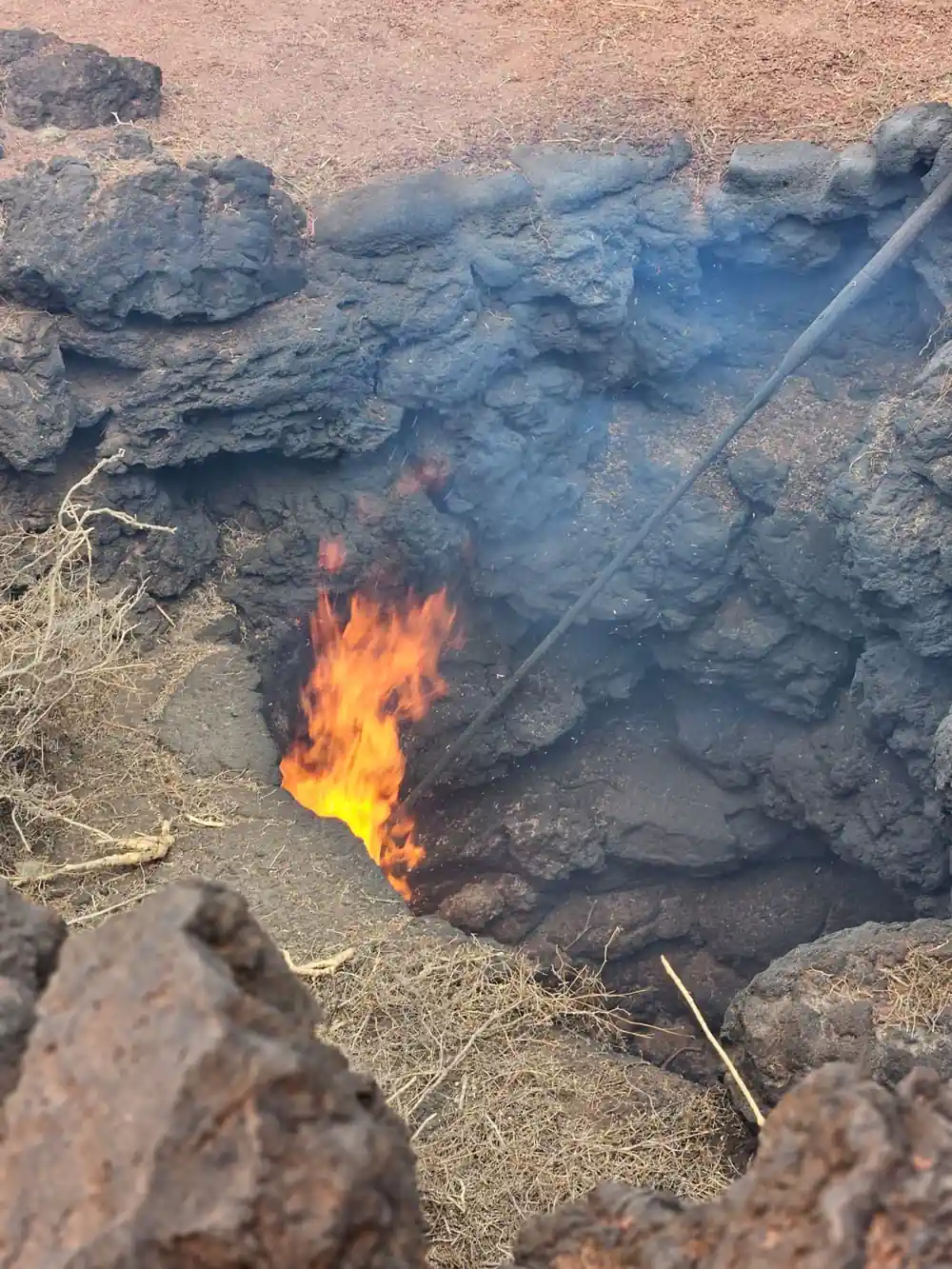
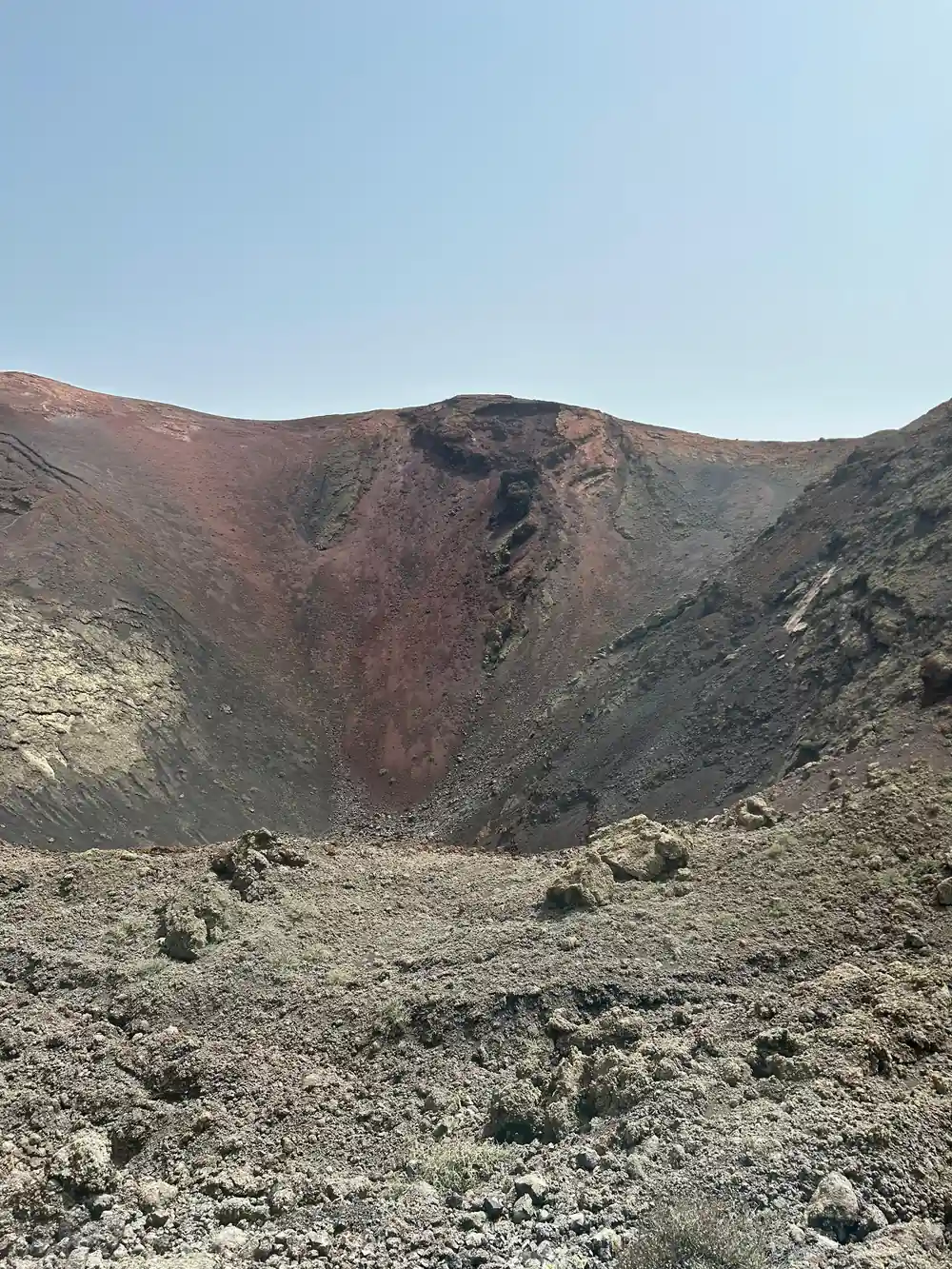
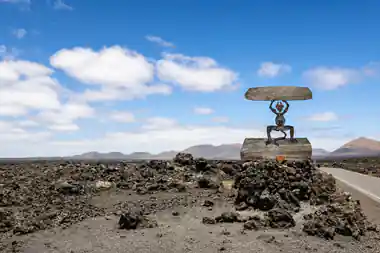
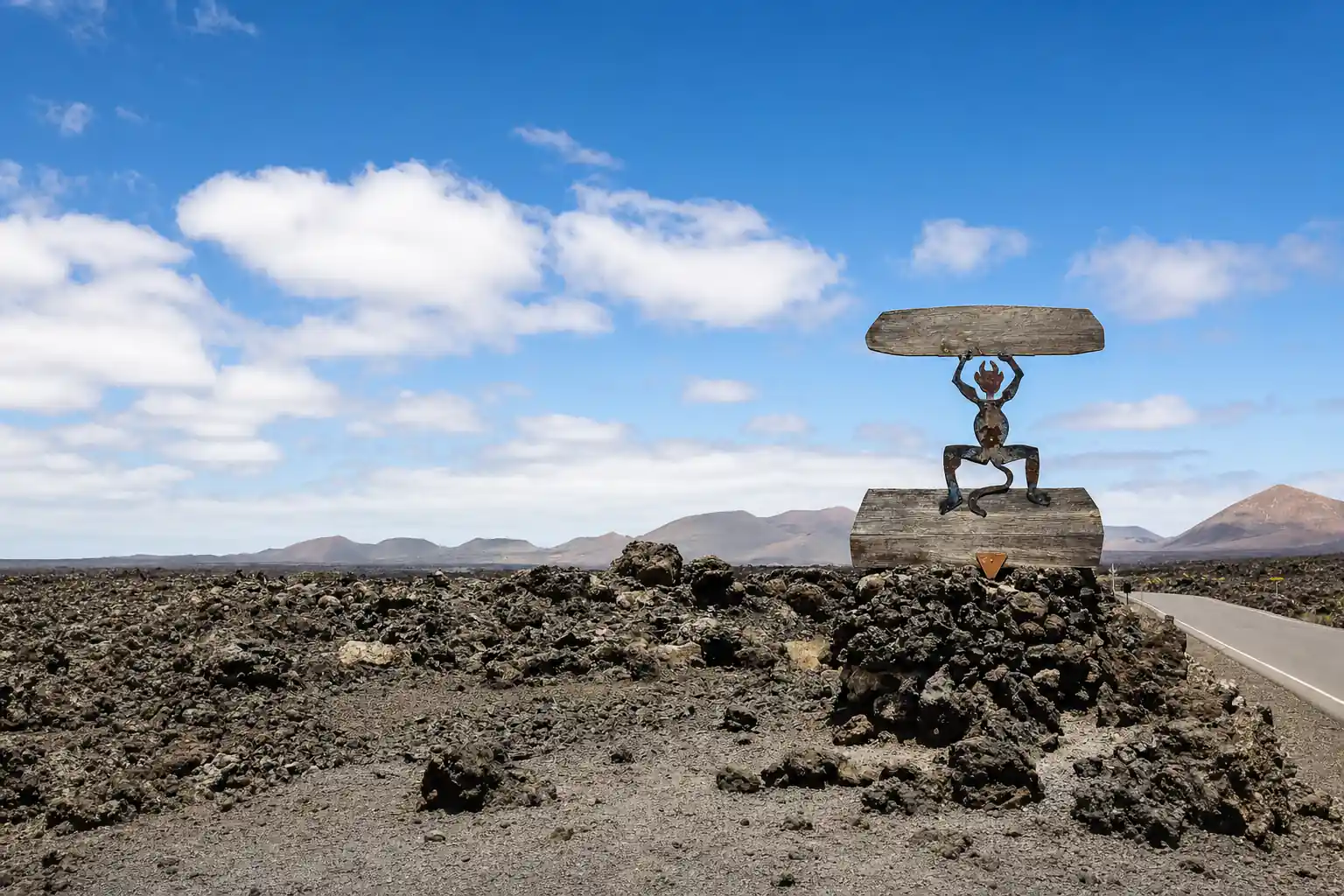
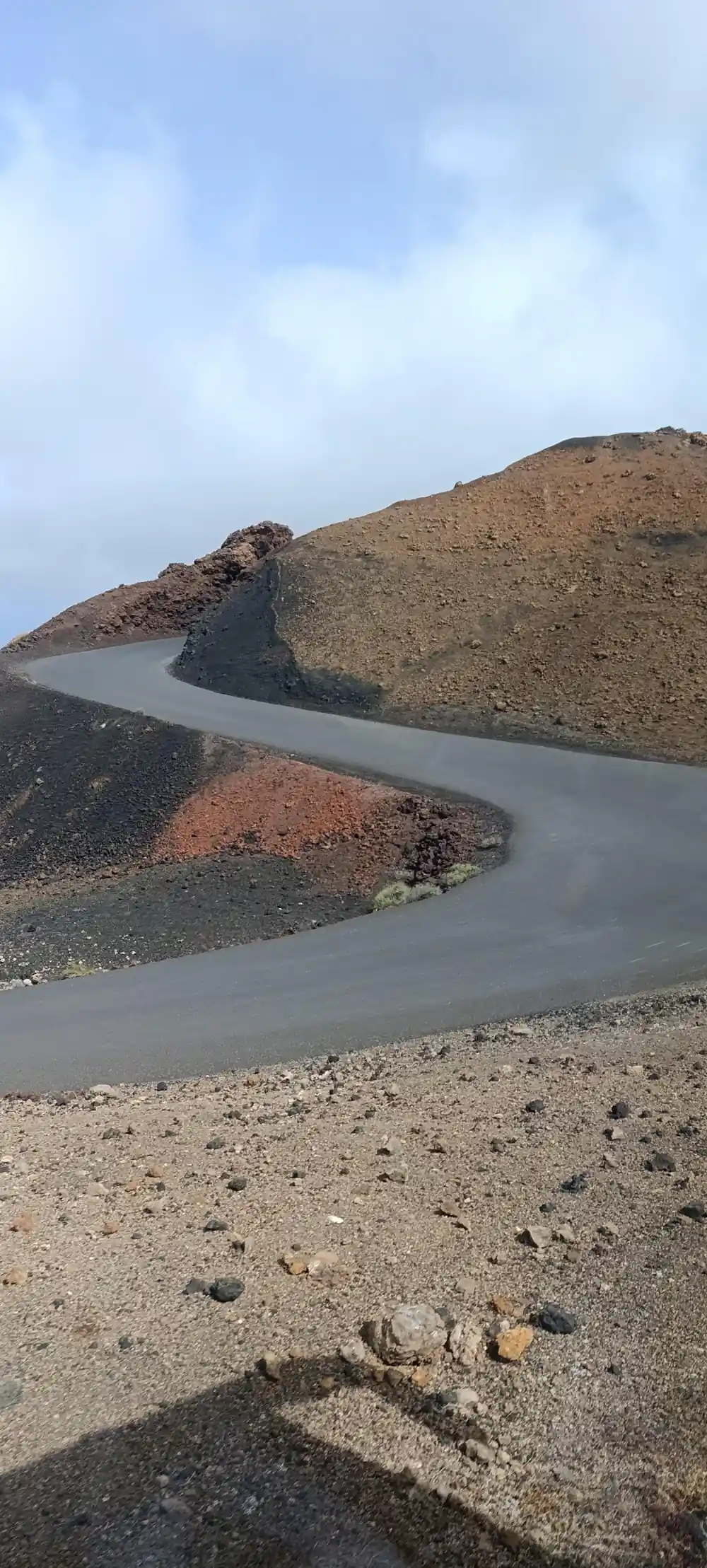
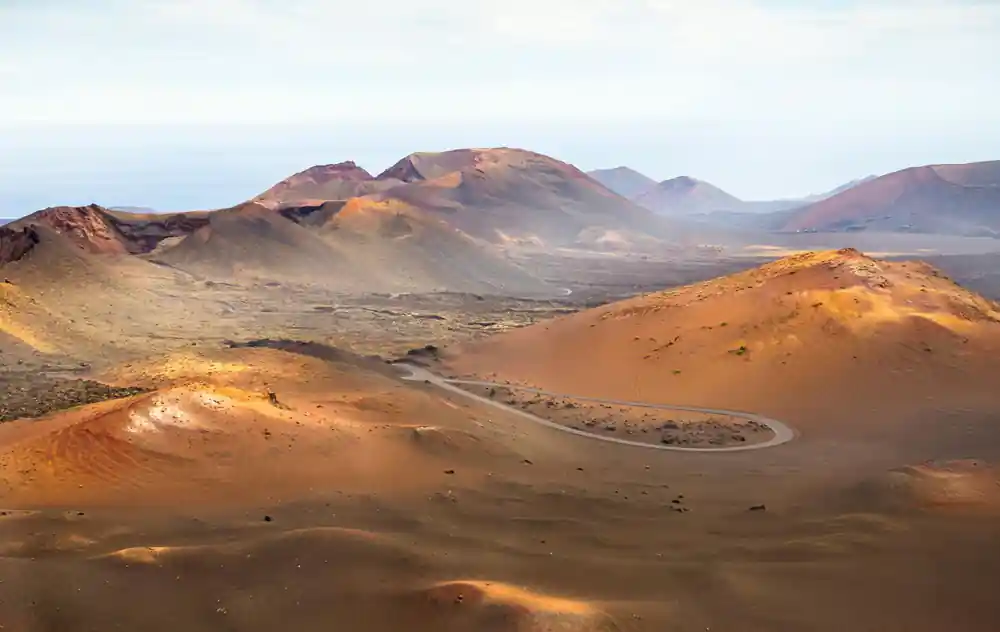
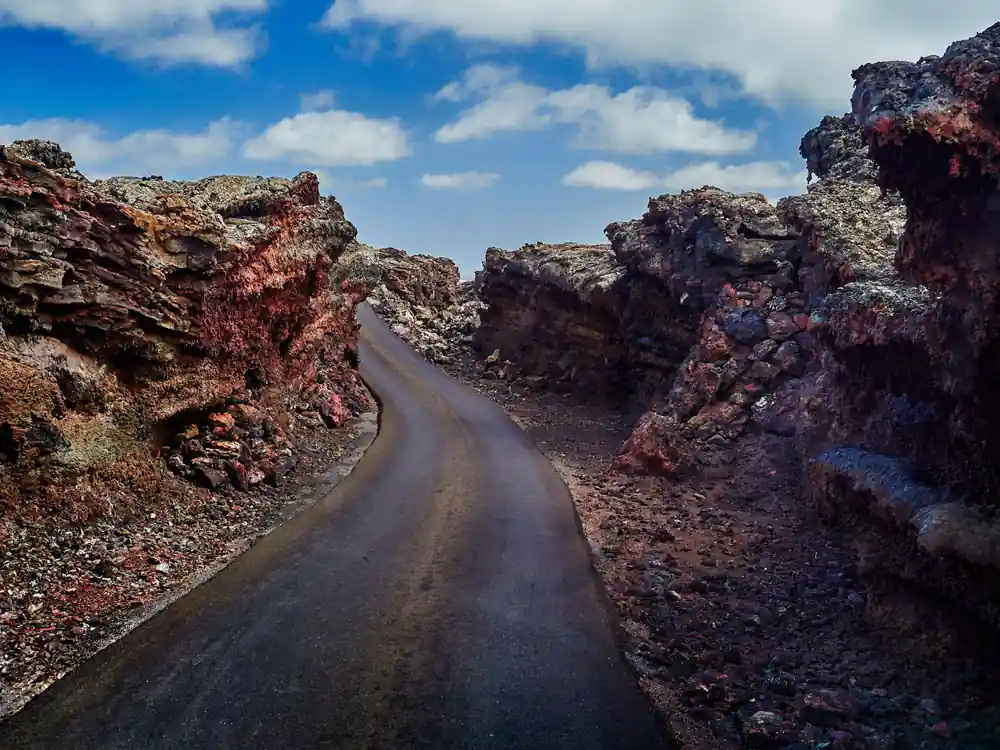
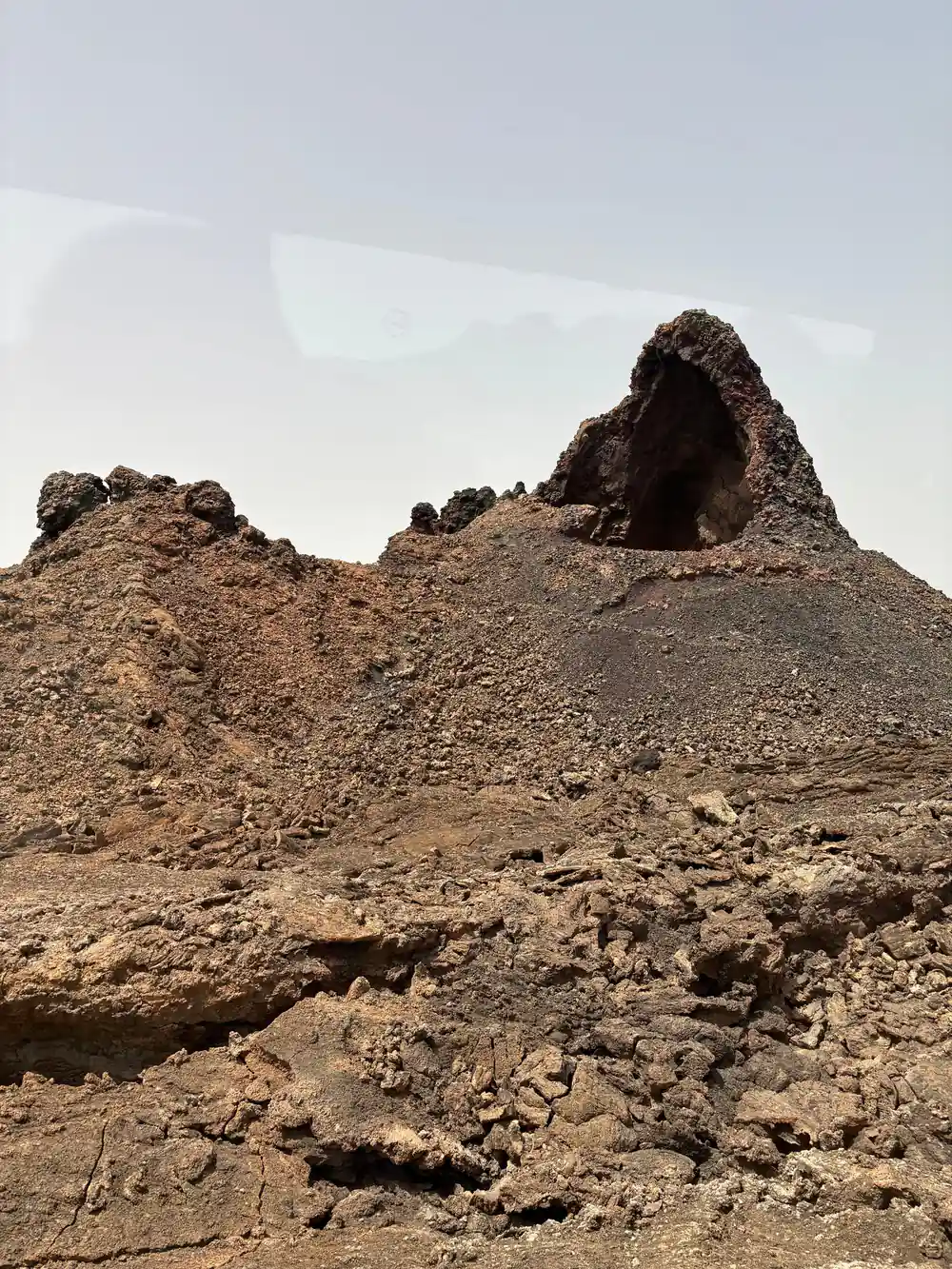
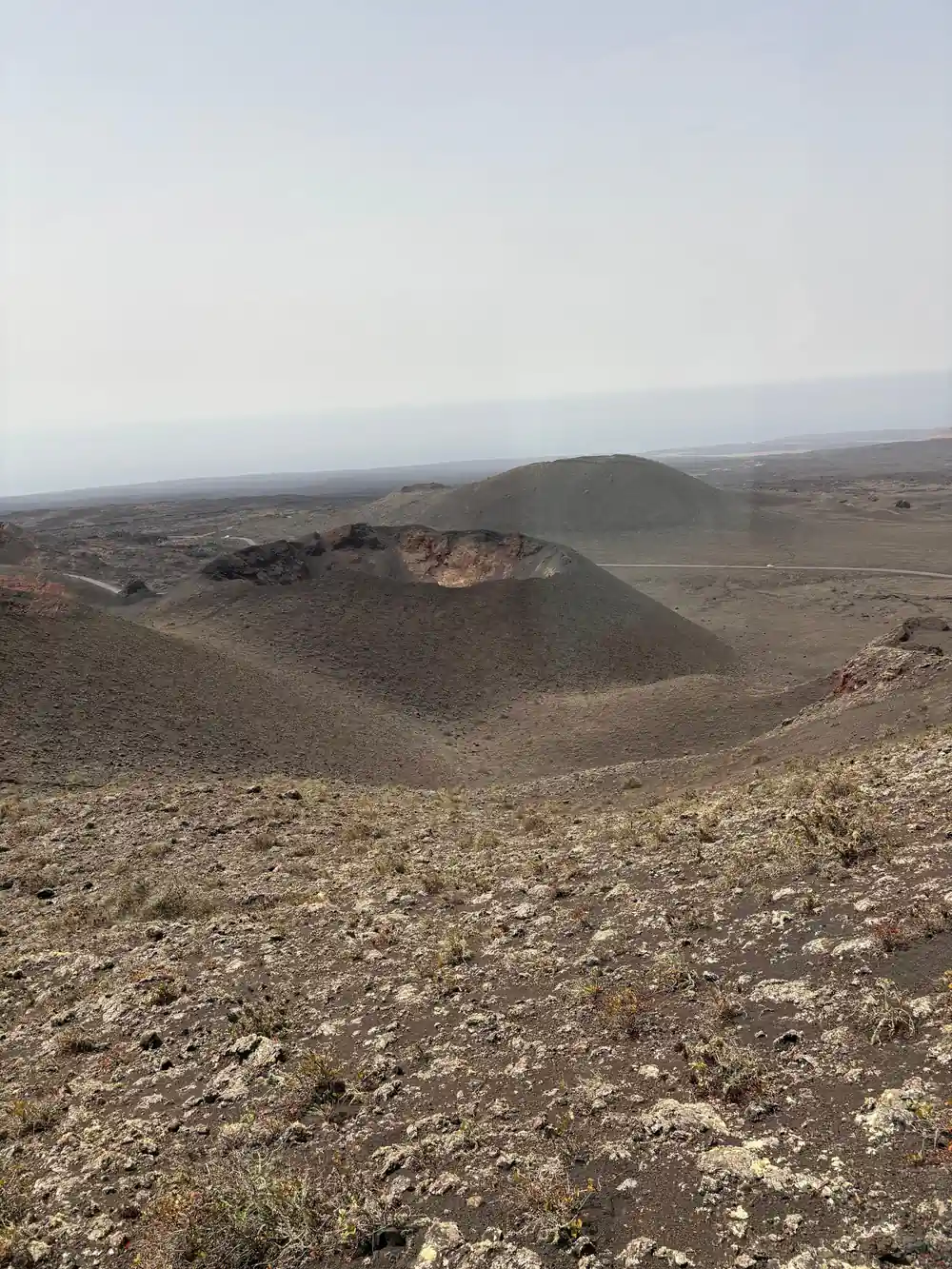
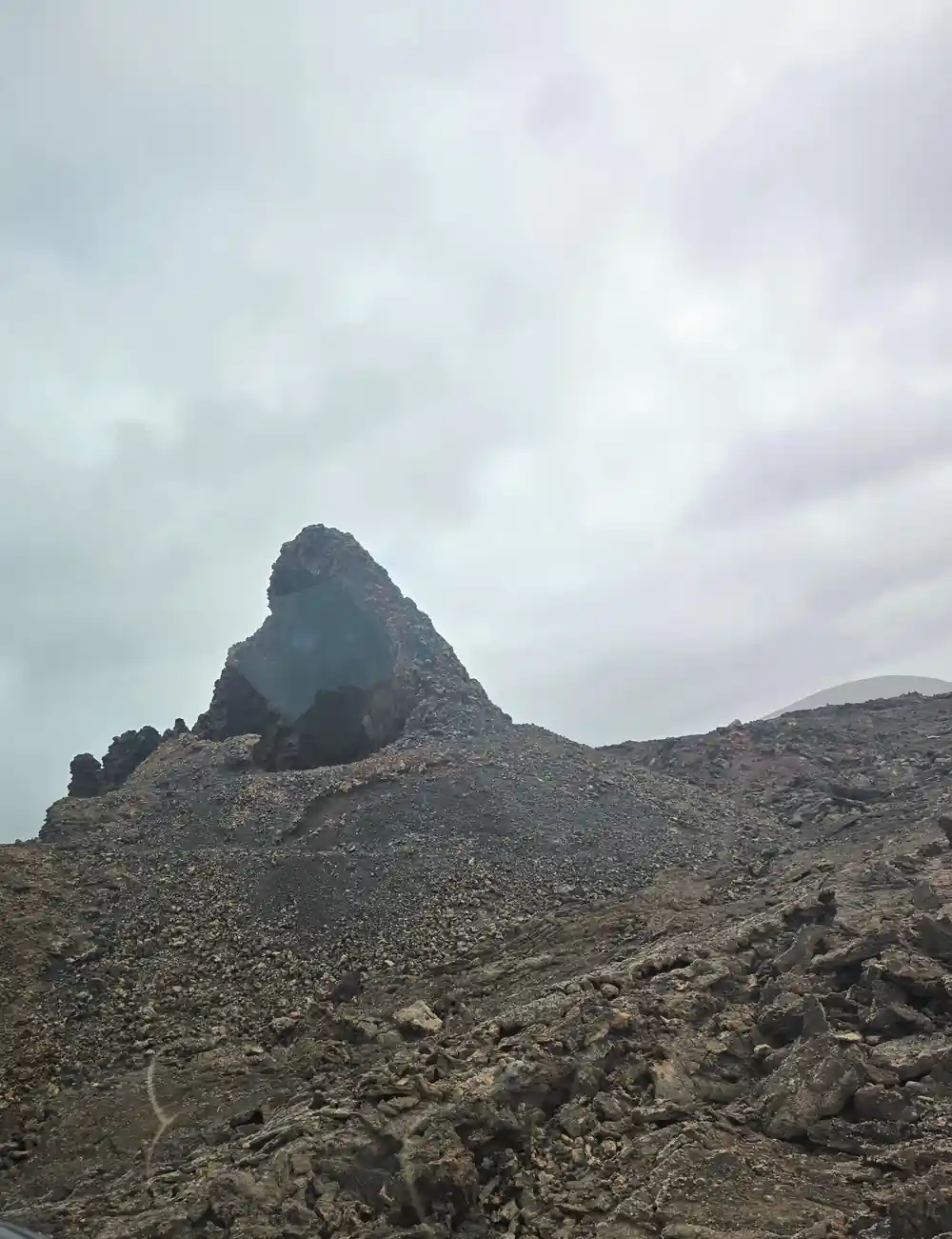
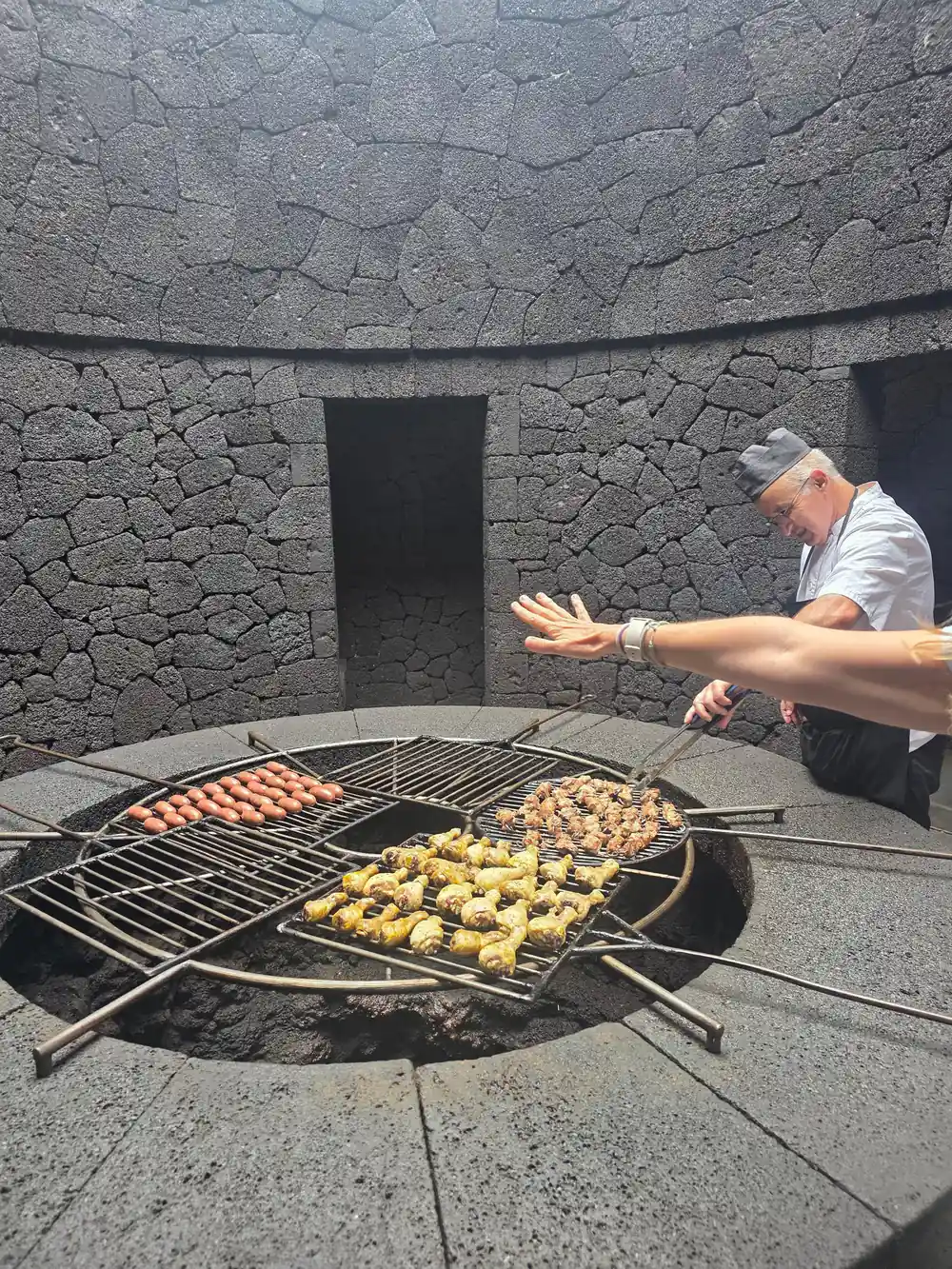
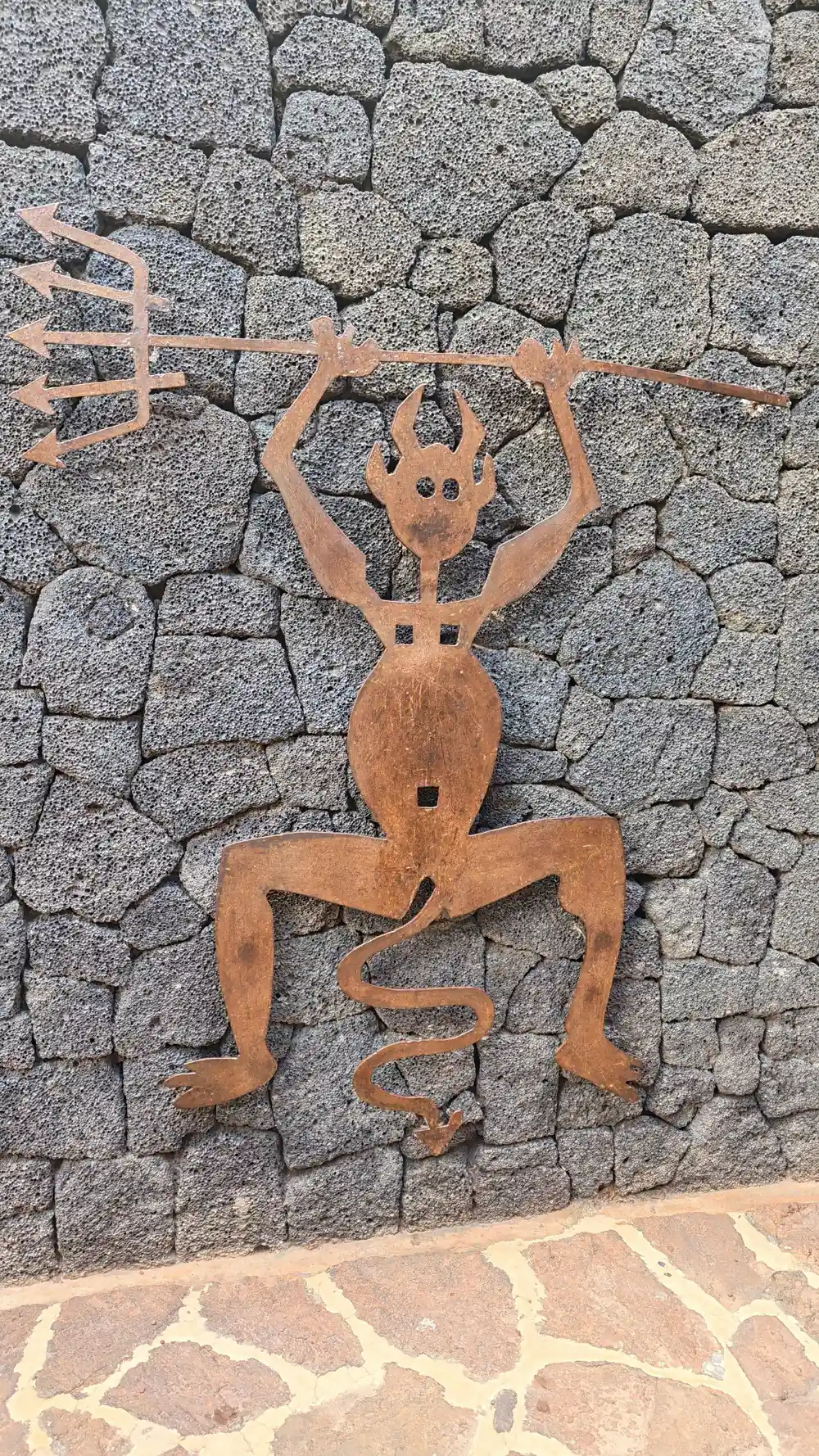
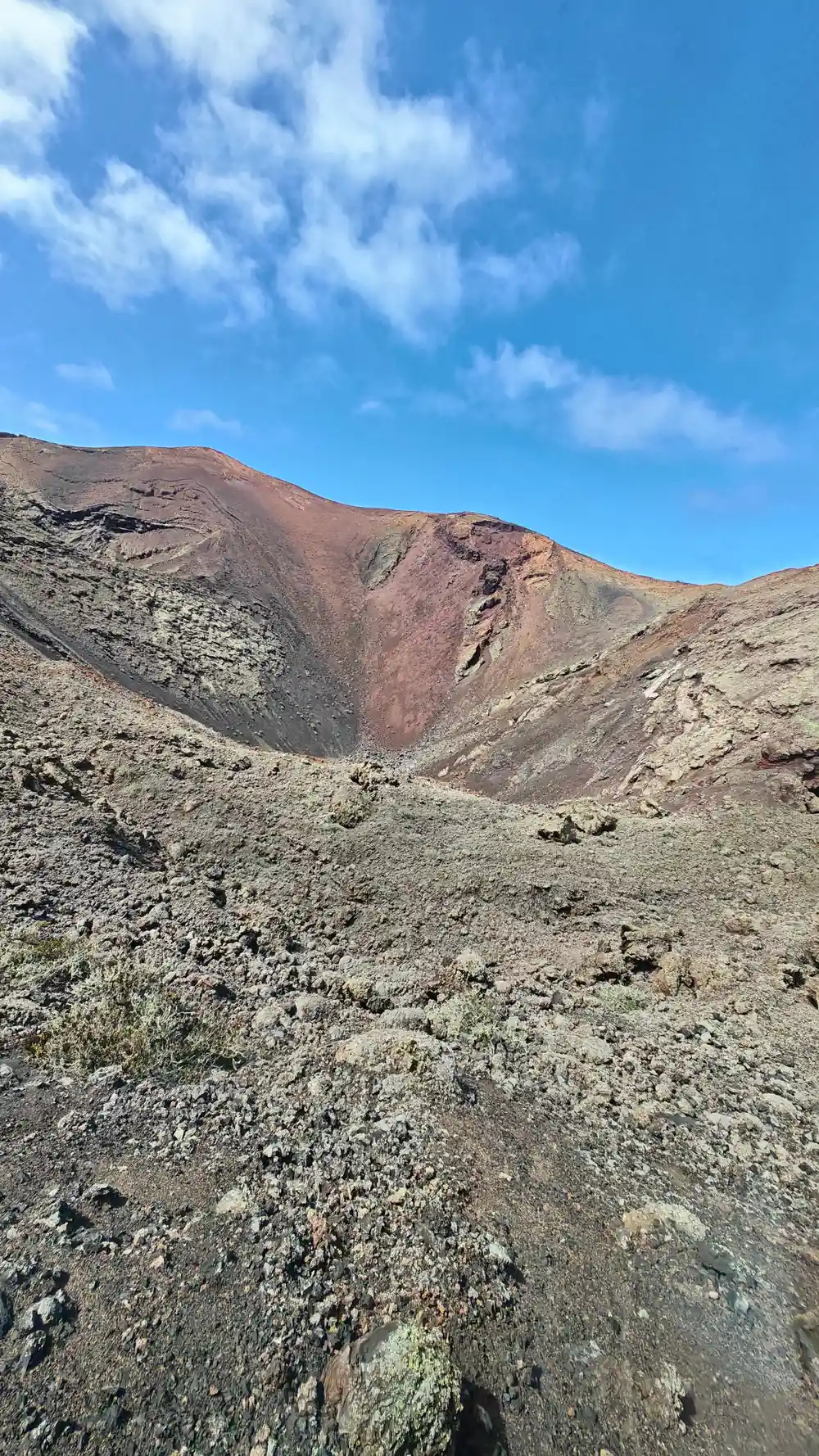
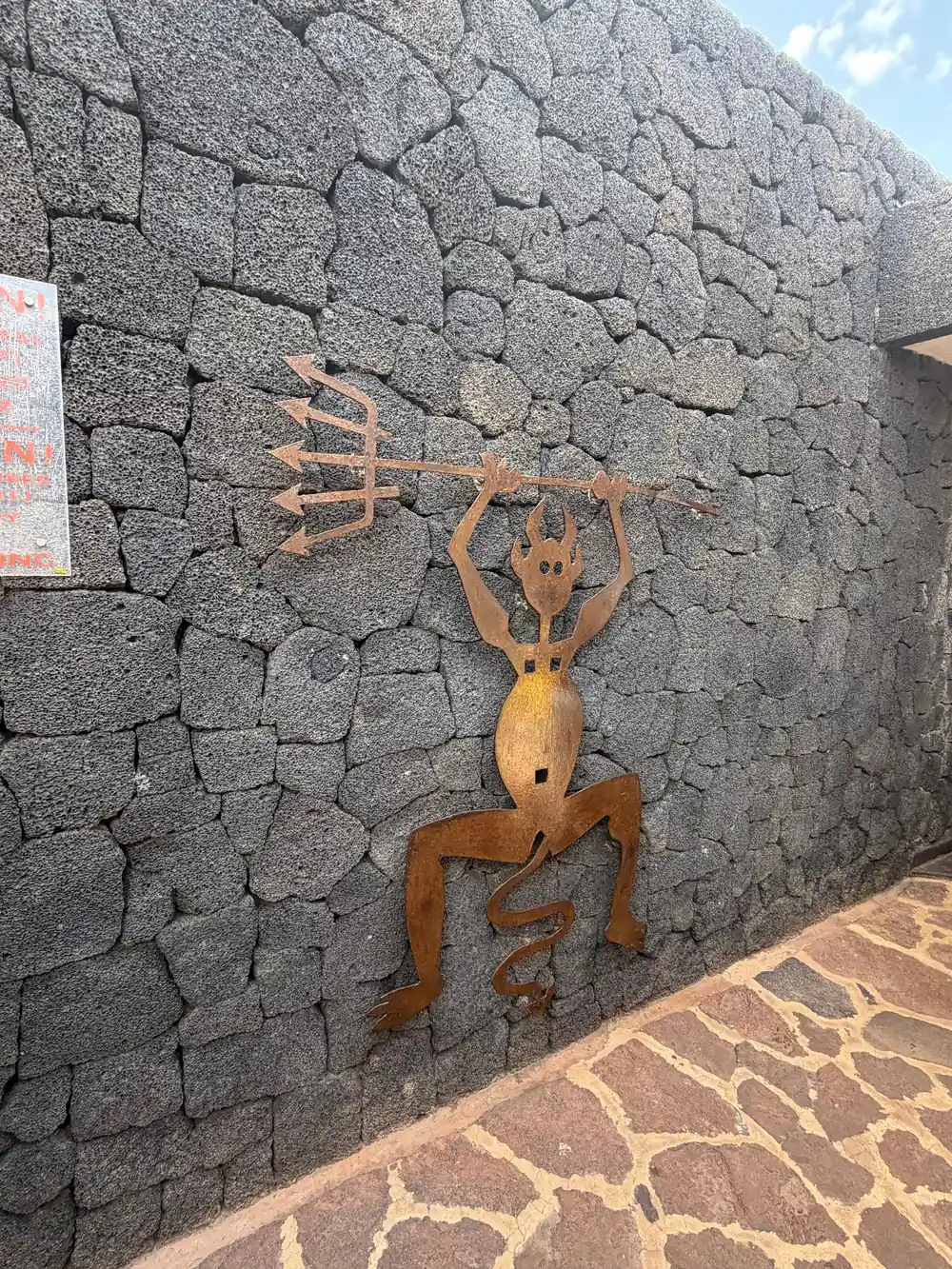
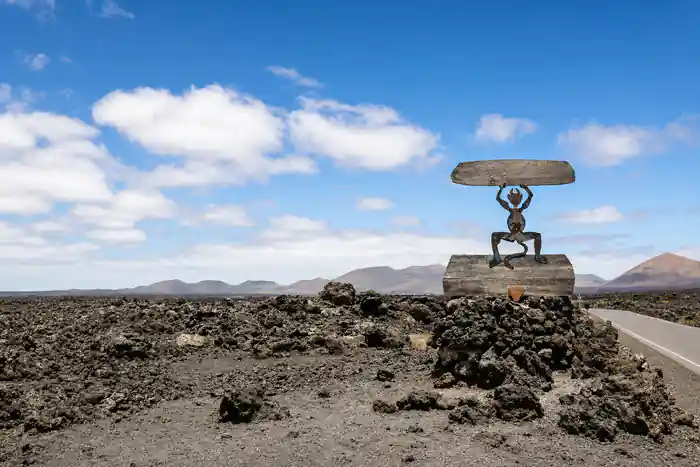
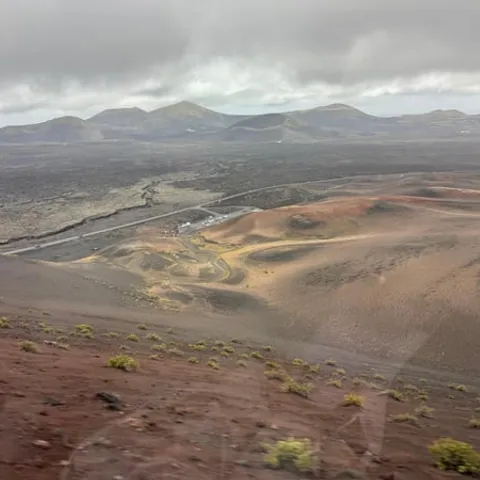
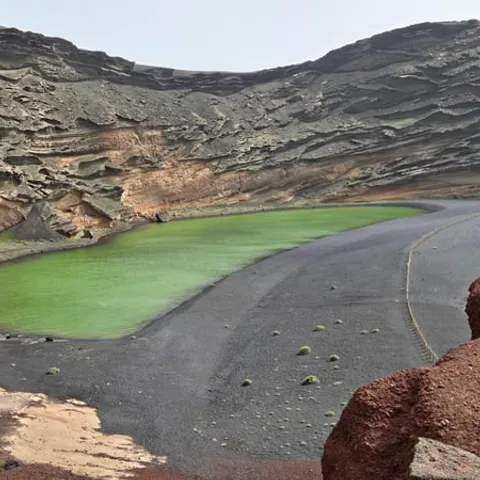
Timanfaya is the volcanic heart of Lanzarote, a 5,000-hectare protected area where the landscape looks almost extraterrestrial. The park was shaped by eruptions between 1730 and 1736, which buried settlements and reshaped the island's geography entirely. What you see today are more than a hundred cinder cones, lava flows in shades of black and rust, and virtually no vegetation across the main viewing area. The ground remains geothermally active; a few centimetres down it runs at 100 to 120 degrees Celsius, and around 600 at thirteen metres. Timanfaya National Park reviews consistently highlight the otherworldly scale and color of the terrain, and the sense that you're standing on a landscape that's only recently become stable.
Your time here typically involves either a scenic drive through the park or a guided walk, depending on the operator's specific routing. Either way, you'll see the extent of the 1730s eruptions and understand why this area is considered one of Europe's most dramatic geological sites. The park entrance and access are included, so you're not managing additional tickets or fees at the gate. The main challenge for visitors is the lack of shade and the intensity of the sun reflecting off dark rock; bring water and sun protection.
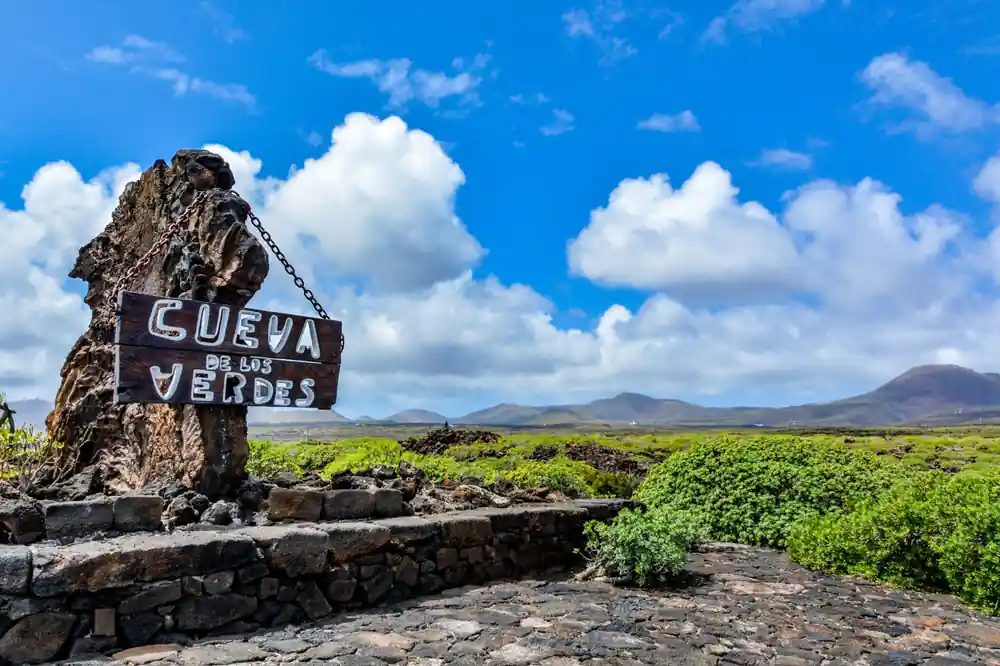
Cueva de los Verdes
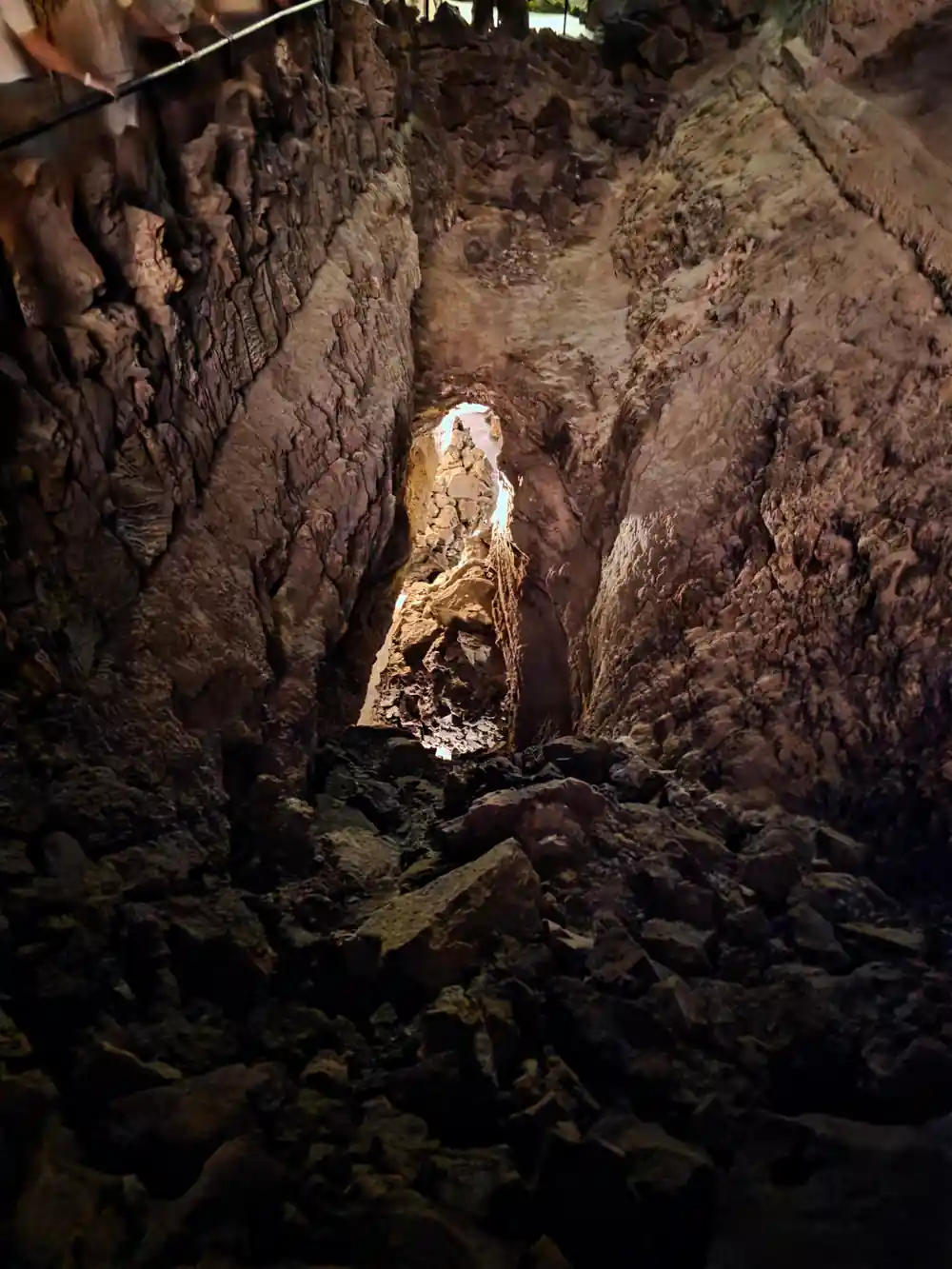
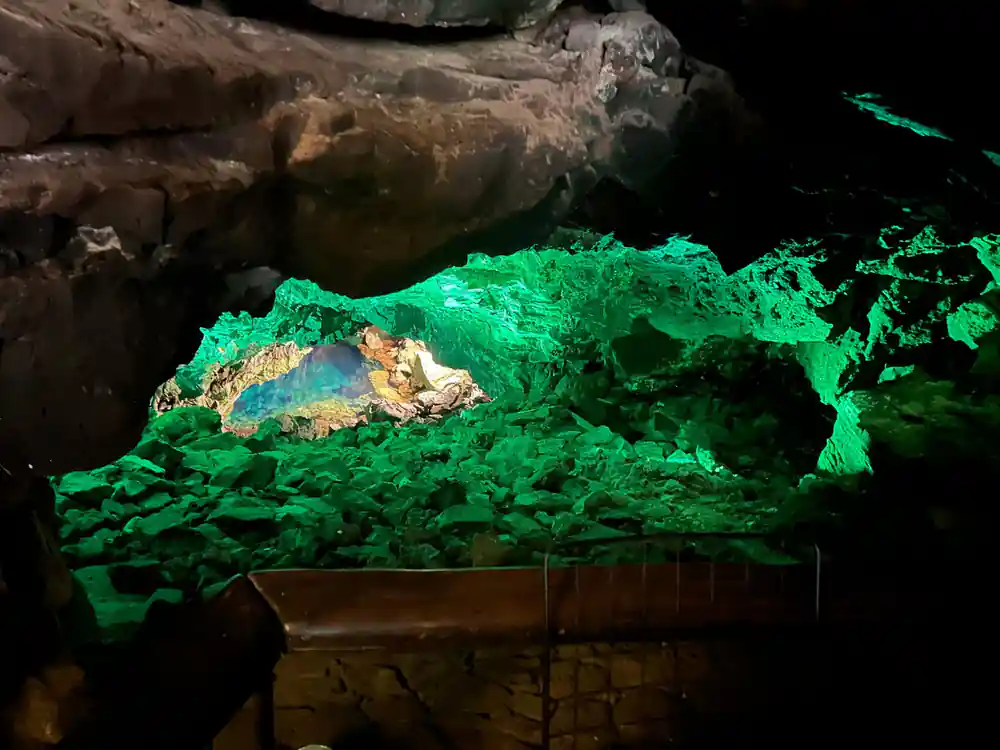
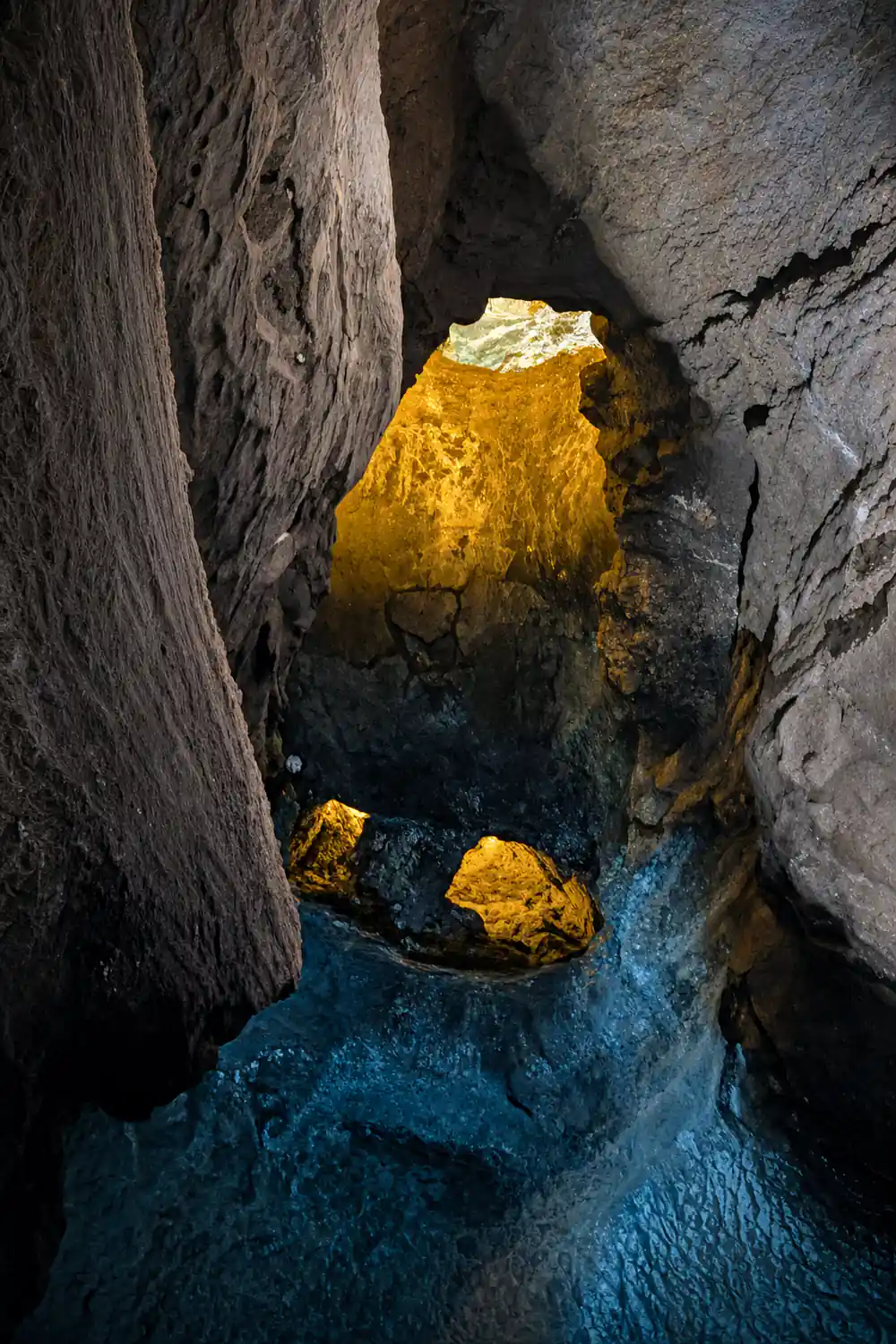
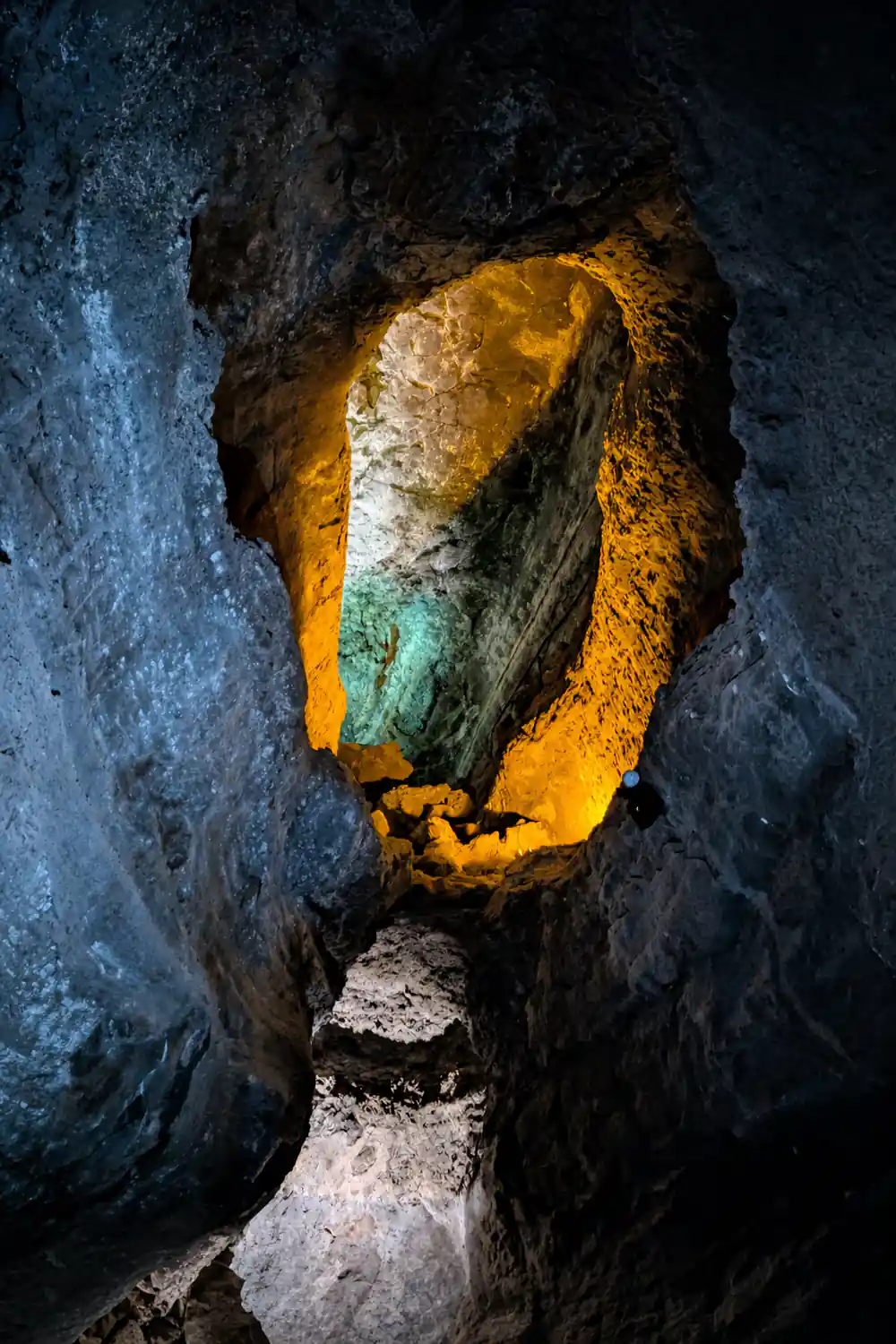
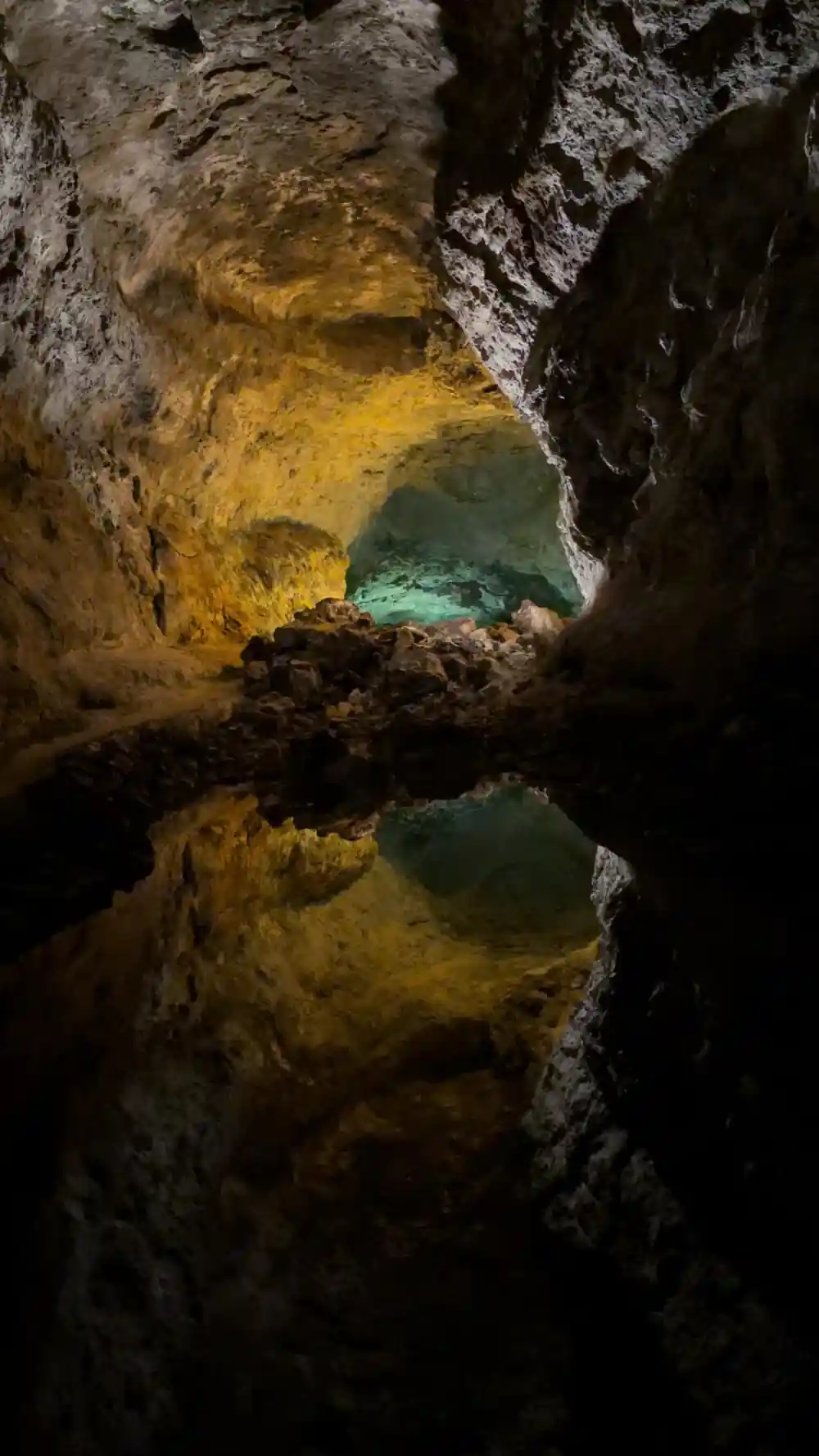
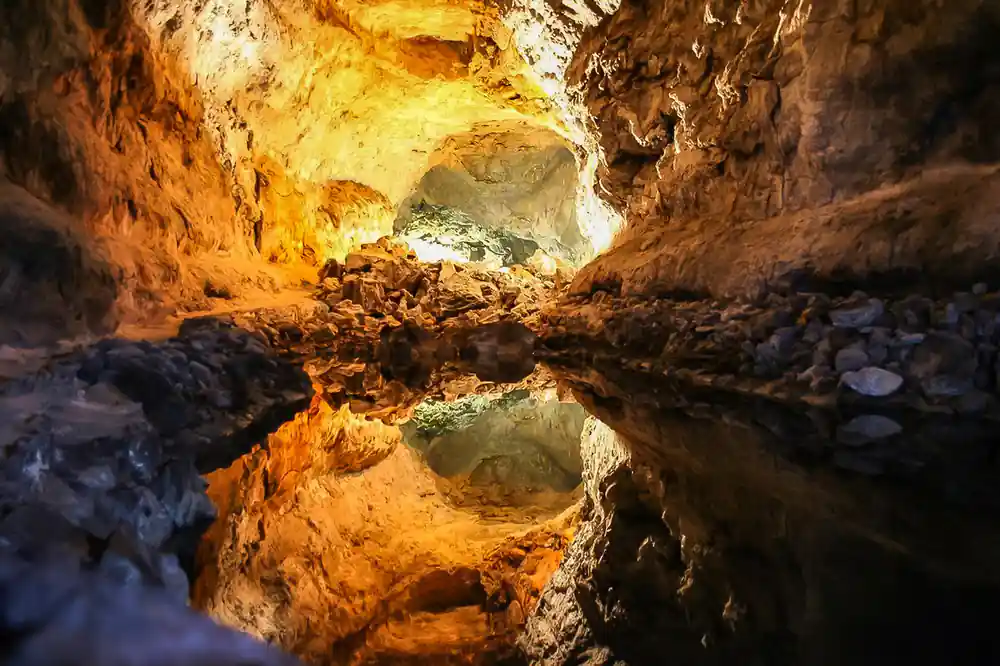
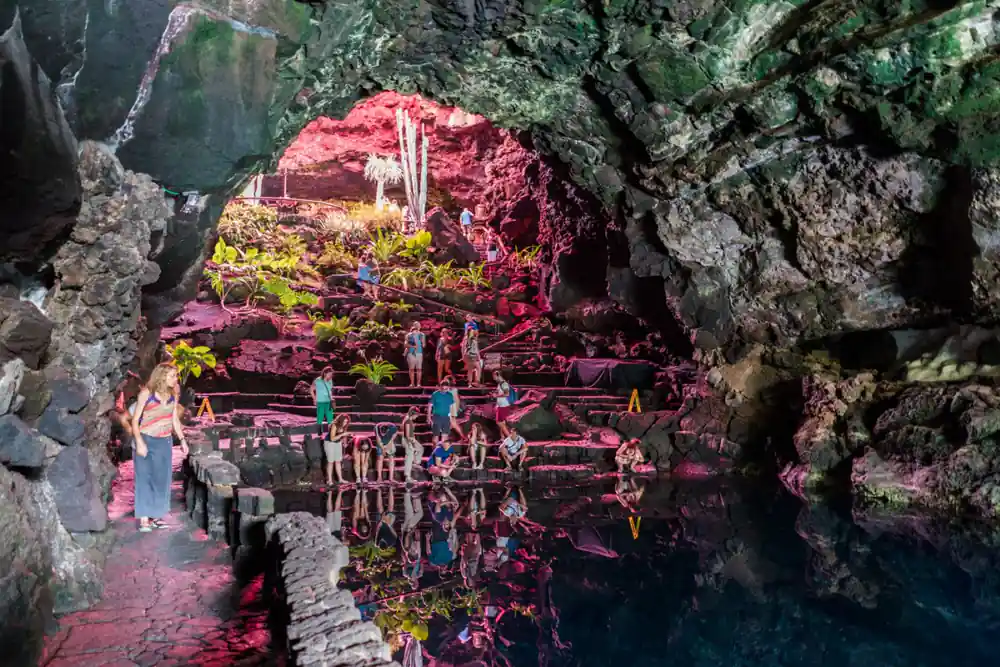
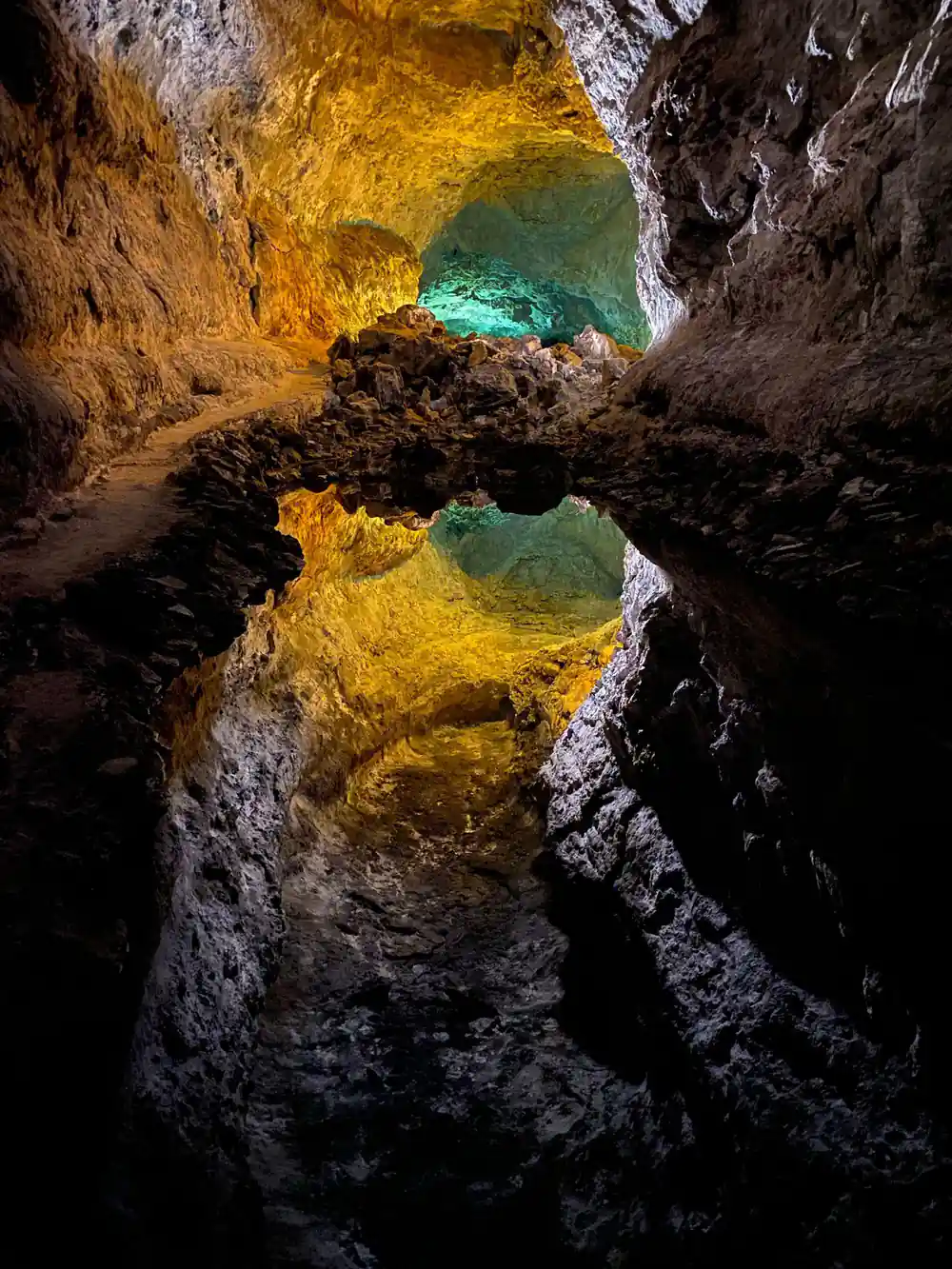
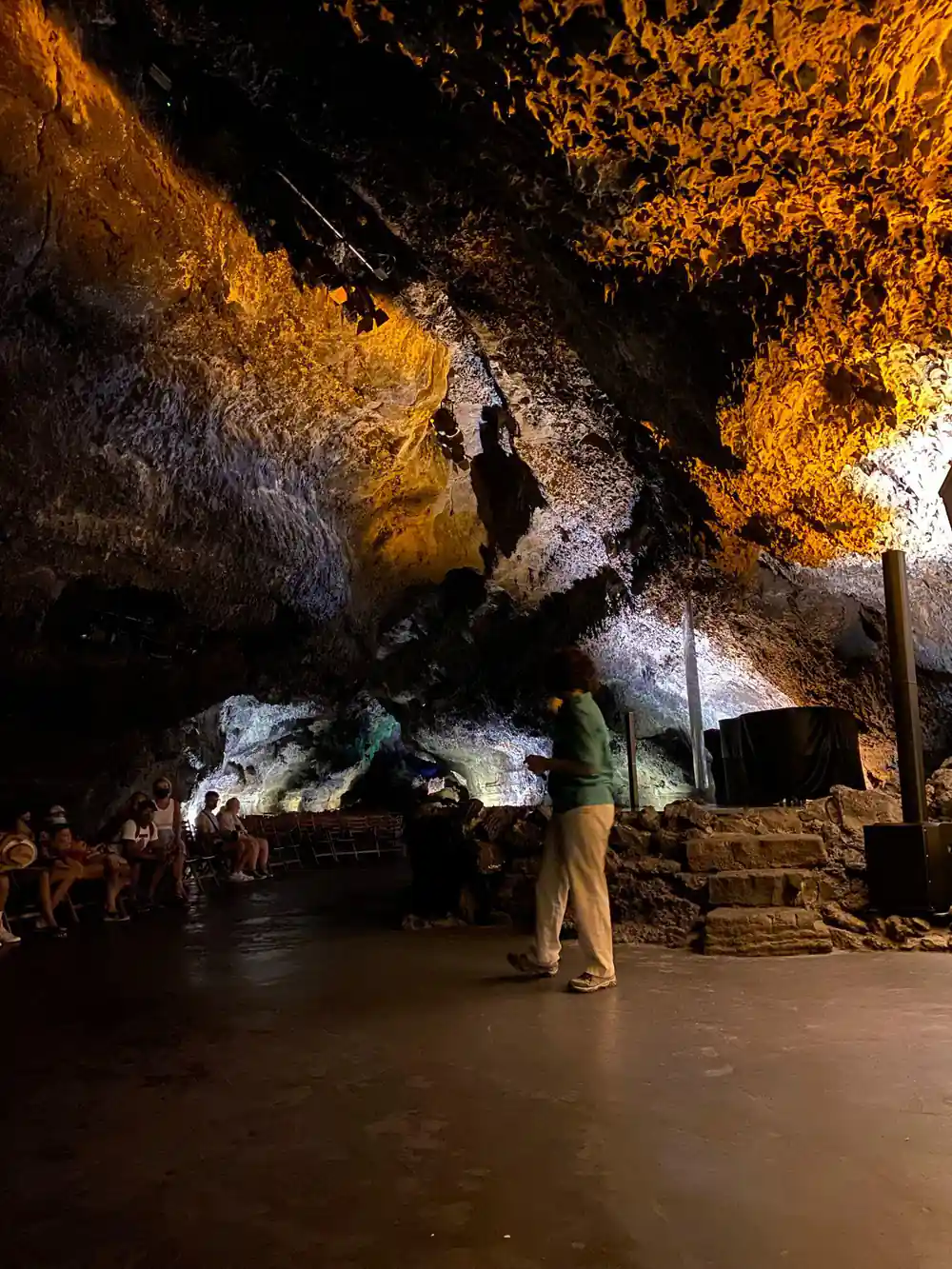
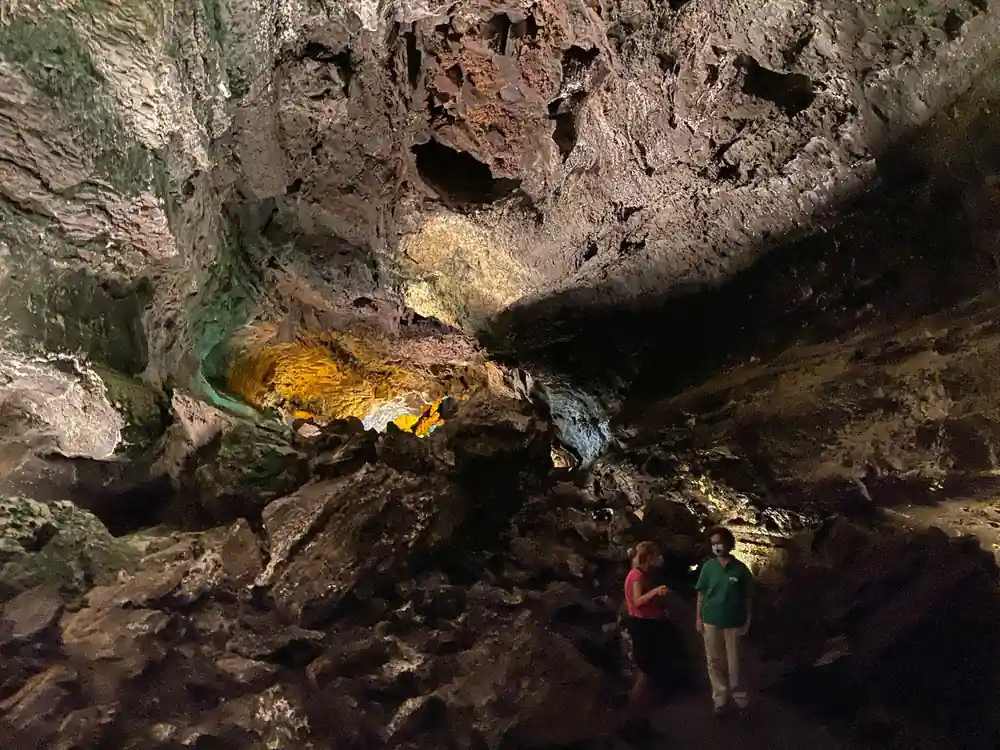
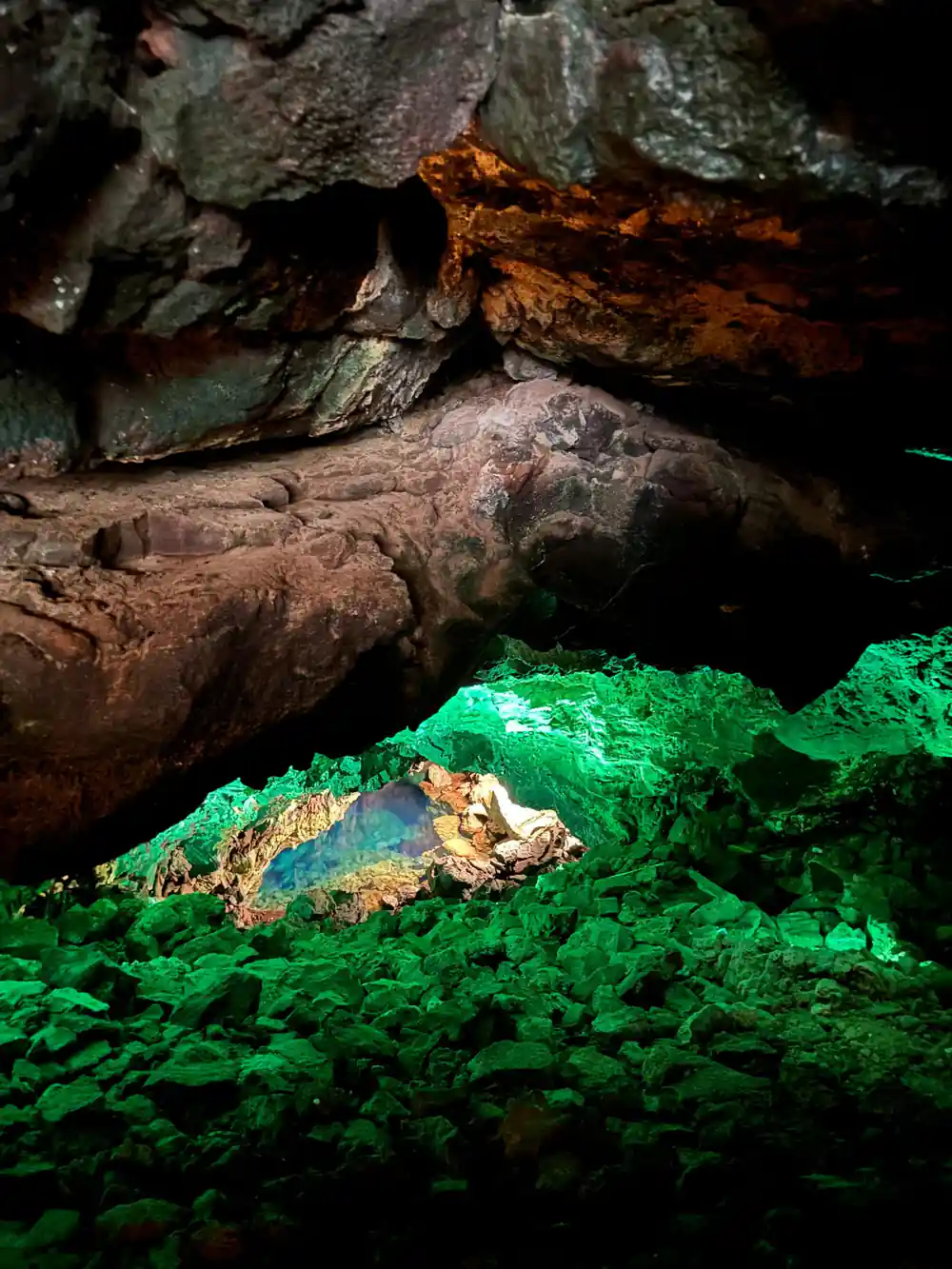
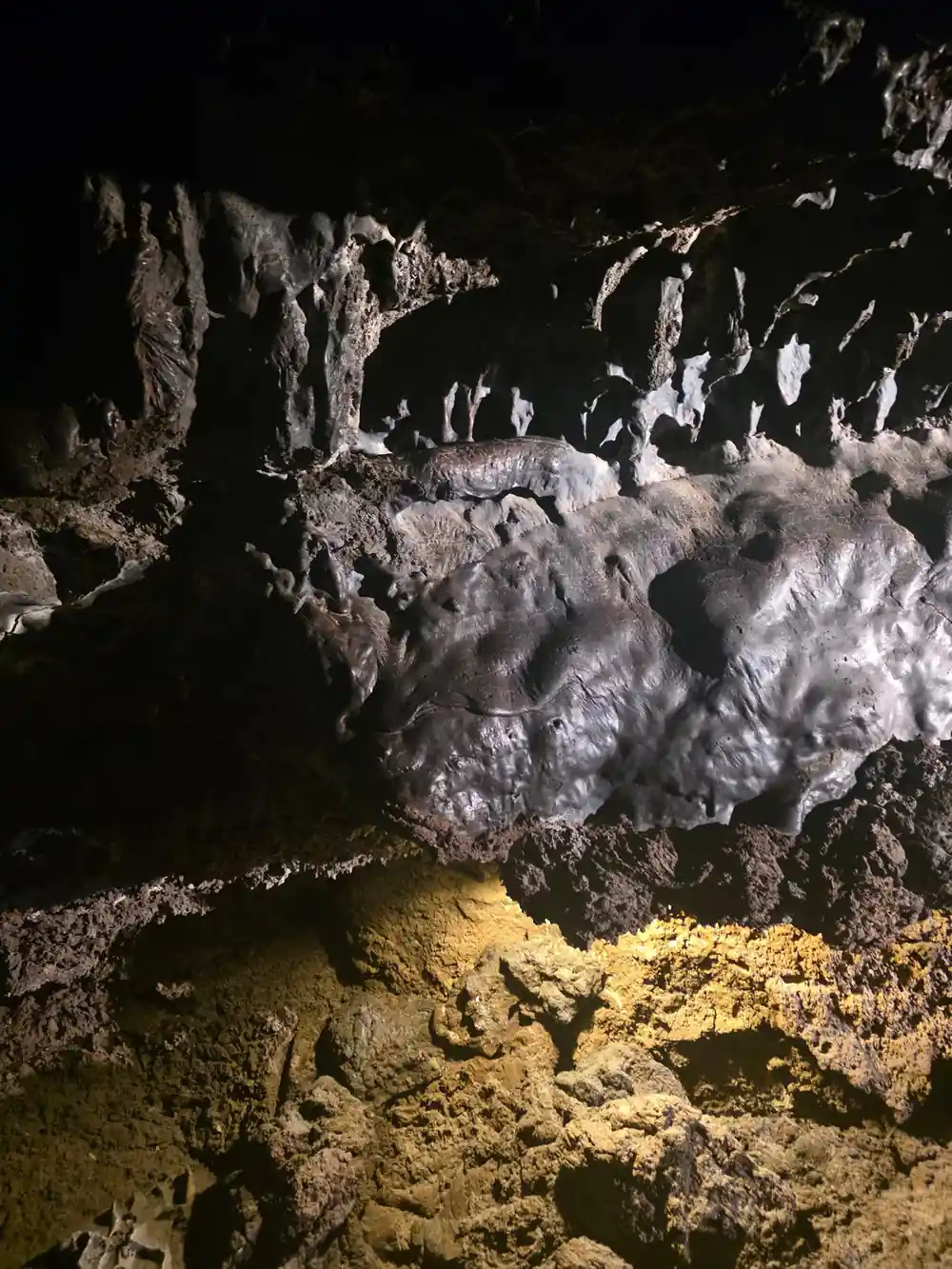
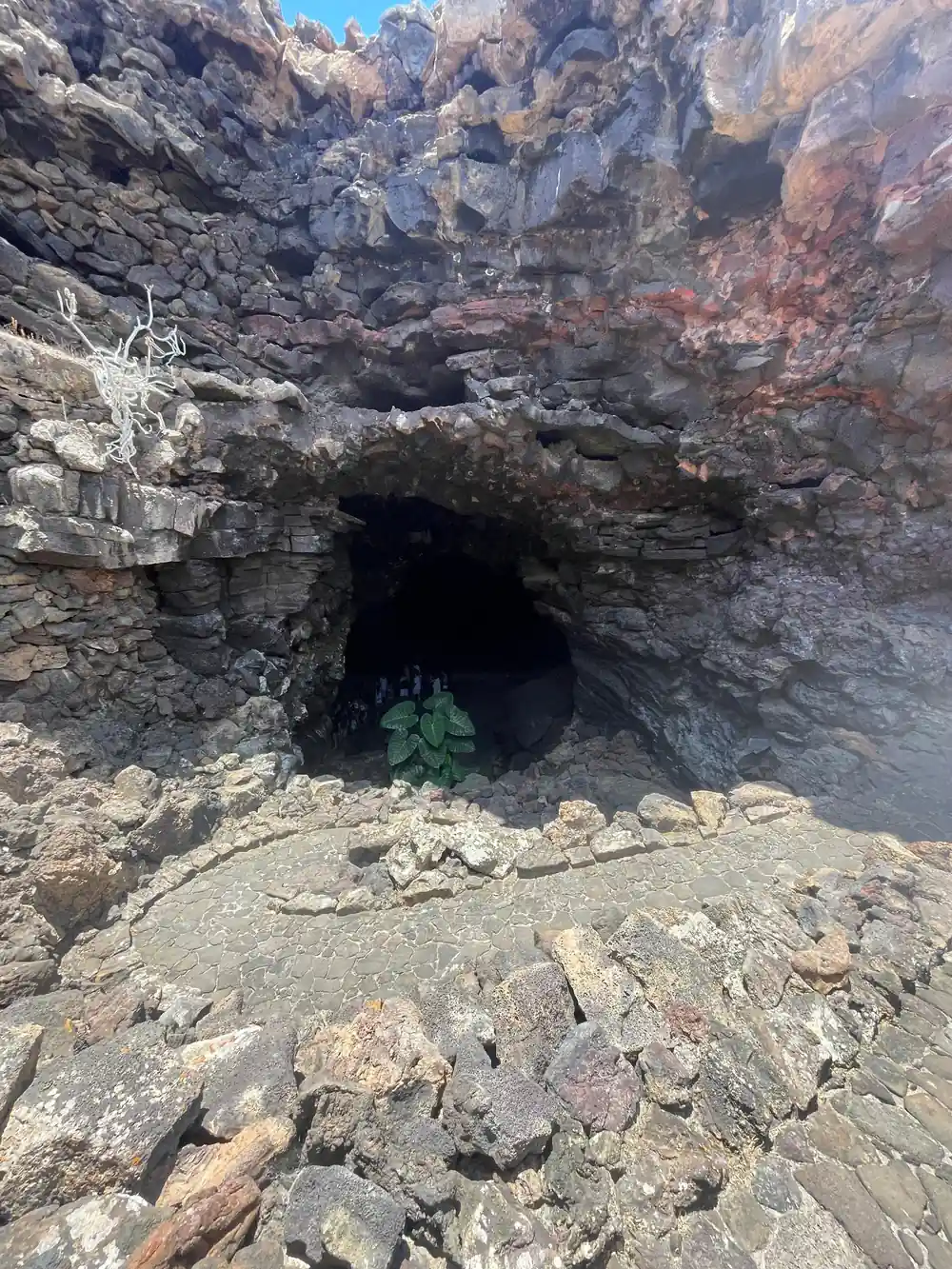
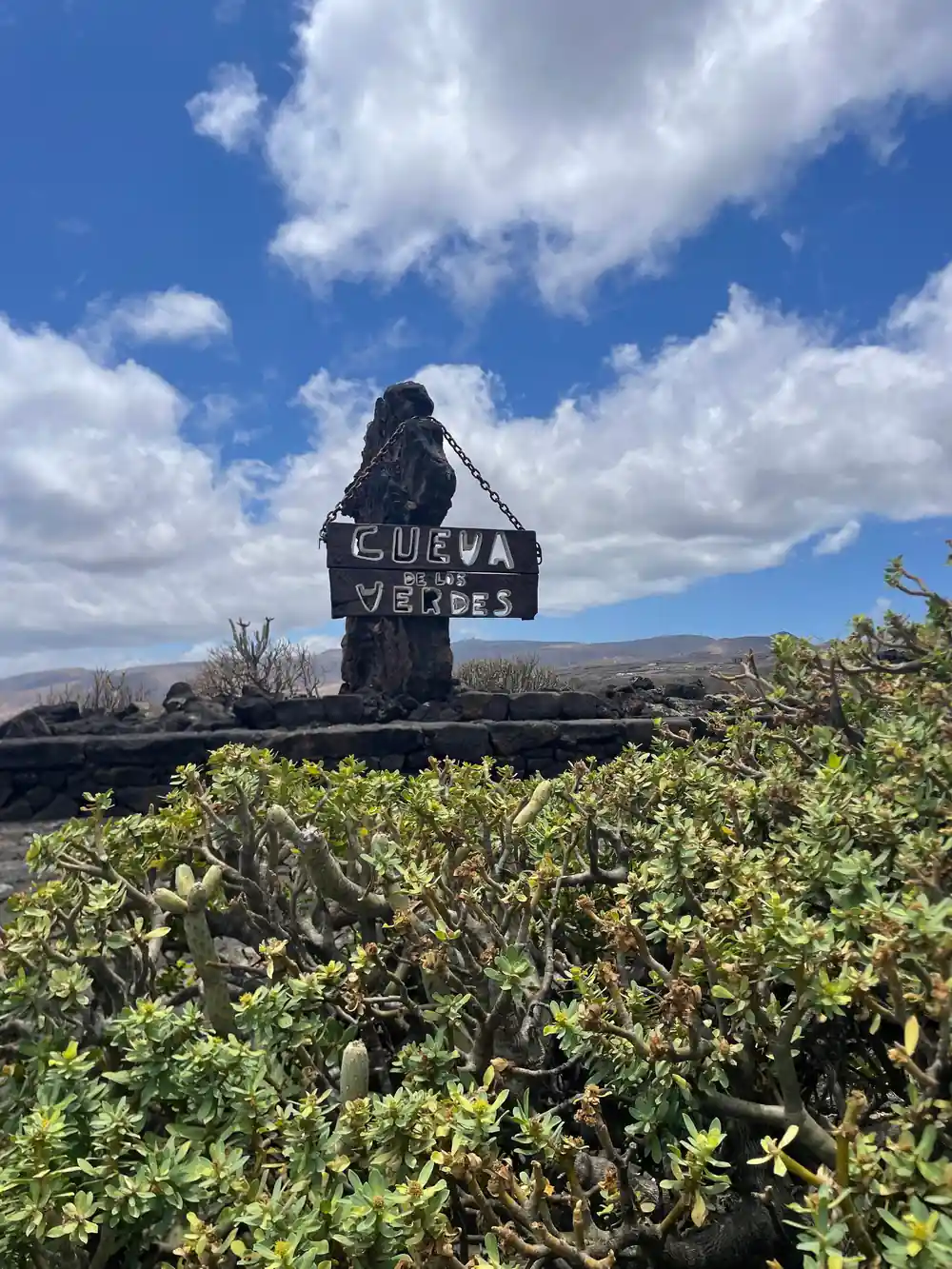
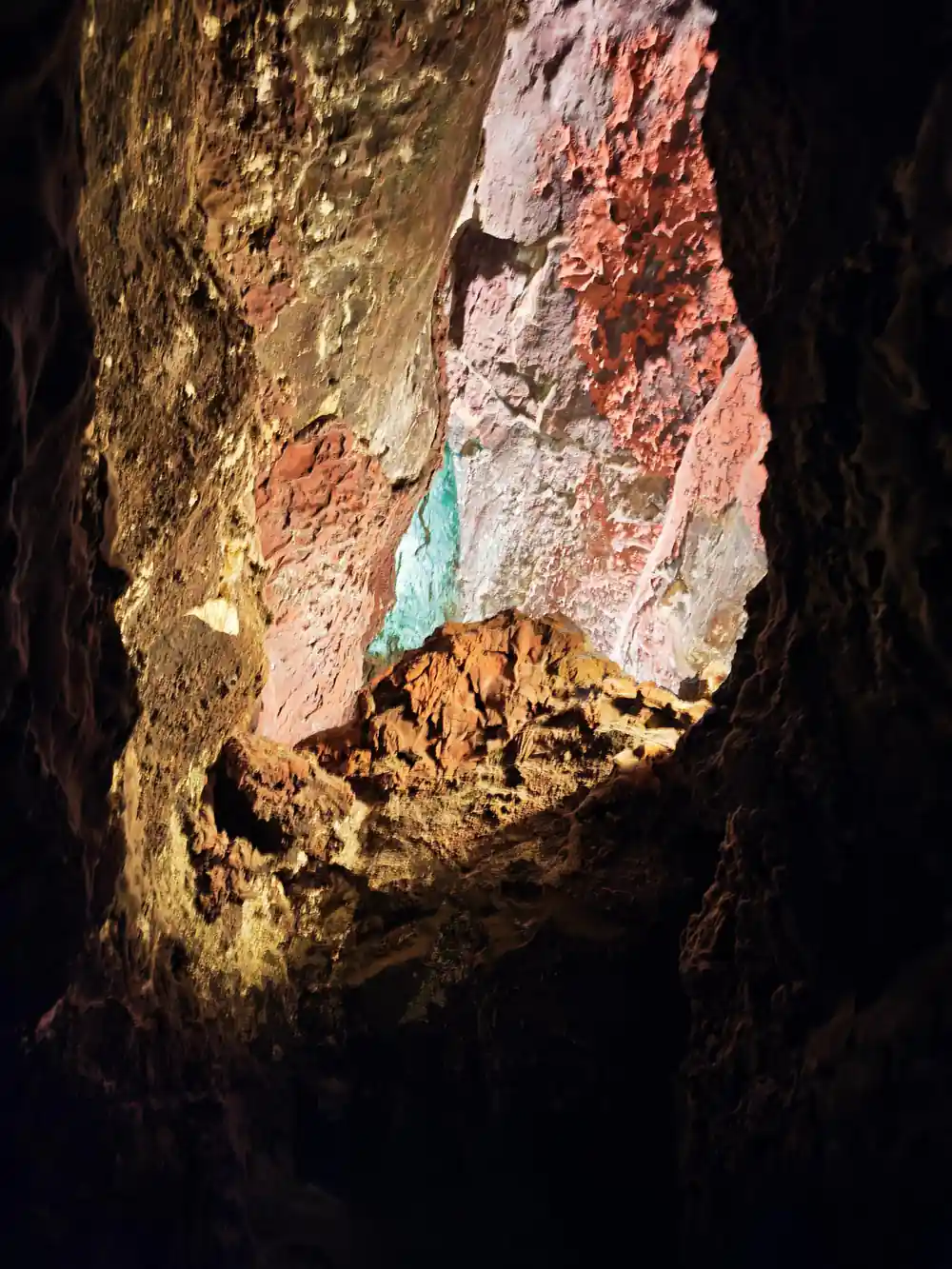
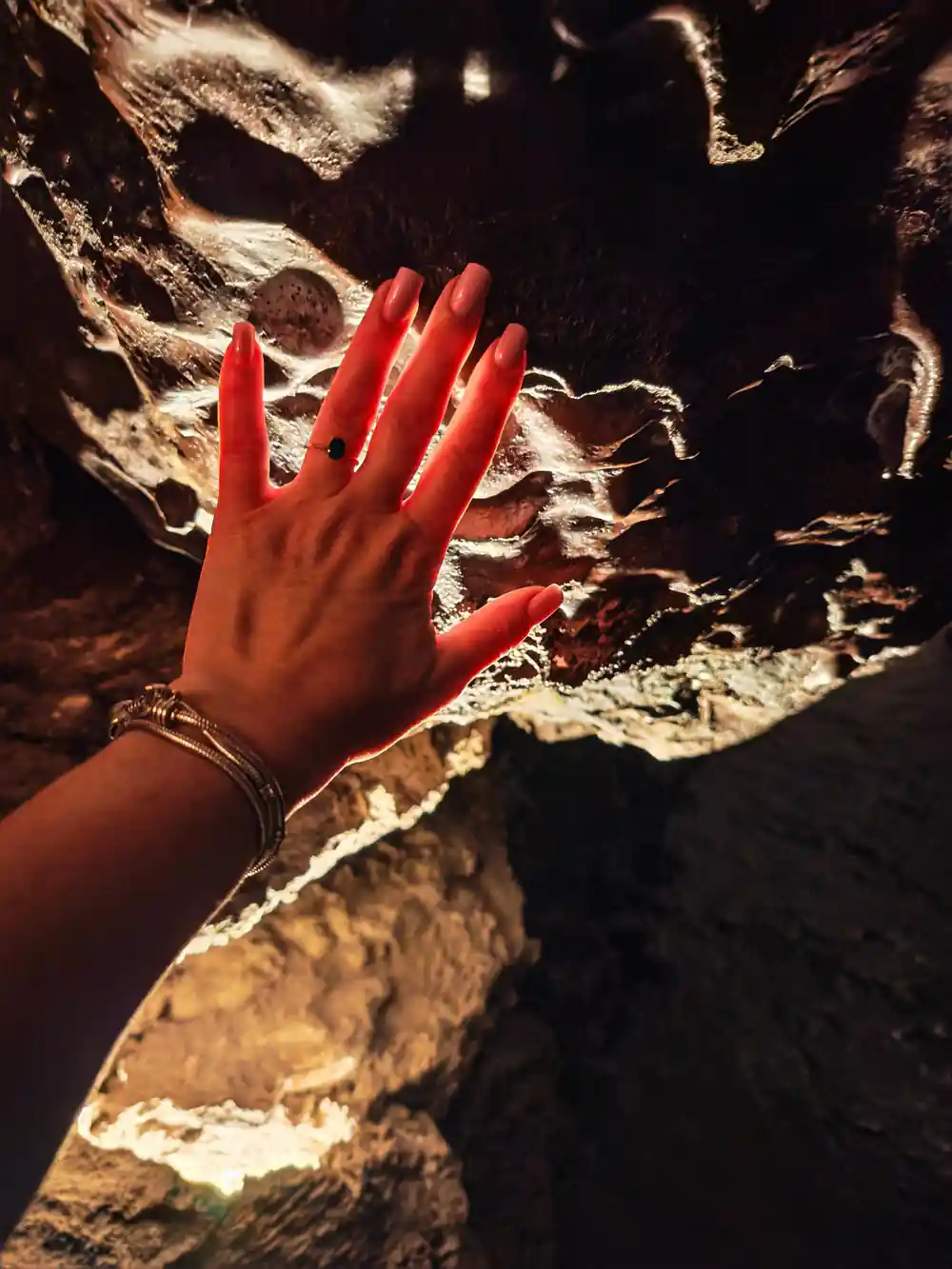
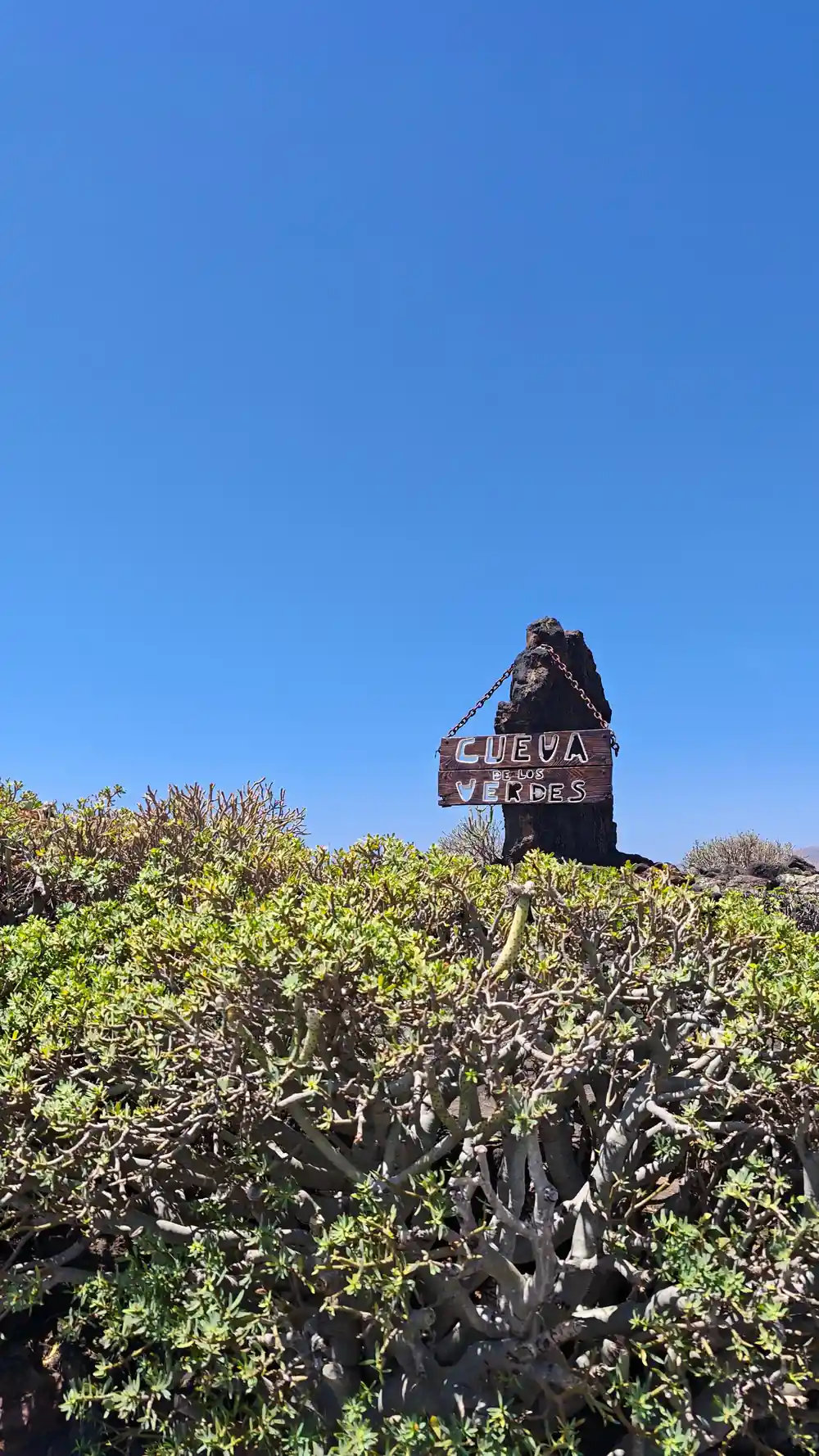
This cave system runs for over 6 kilometers through the heart of a massive lava tube, though the section open to visitors is roughly one kilometer of passages. The cave formed when lava from an eruption roughly 5,000 years ago flowed toward the sea, cooling on the outside while molten rock continued flowing through the center, eventually draining and leaving hollow passages behind. Walking through Cueva de los Verdes means descending into a dimly lit underground space with cathedral-like chambers, narrow passages, and sudden openings into larger caverns. The air is cool and still, a striking contrast to the bright volcanic landscape of Timanfaya.
The cave's name references the Verdes family, who historically controlled the area. Your entry is included in the tour package, and a guide leads you through the accessible sections, explaining the lava tube formation and the cave's human history. The route is relatively easy walking on prepared paths, though the irregular floor and low ceilings in places require attention. This stop typically lasts 45 minutes to an hour, giving you enough time to absorb the scale without feeling rushed or claustrophobic.
Jameos del Agua
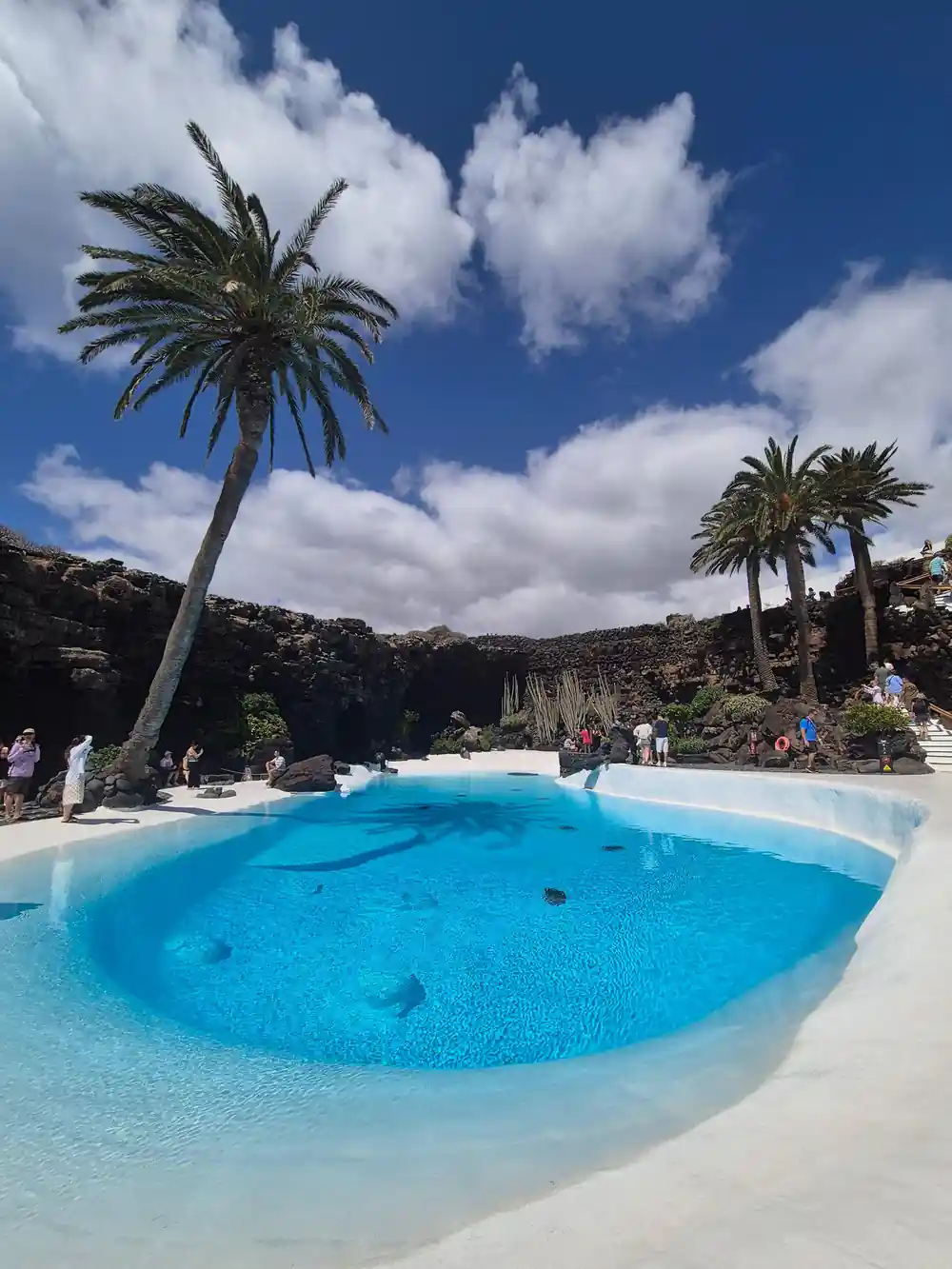
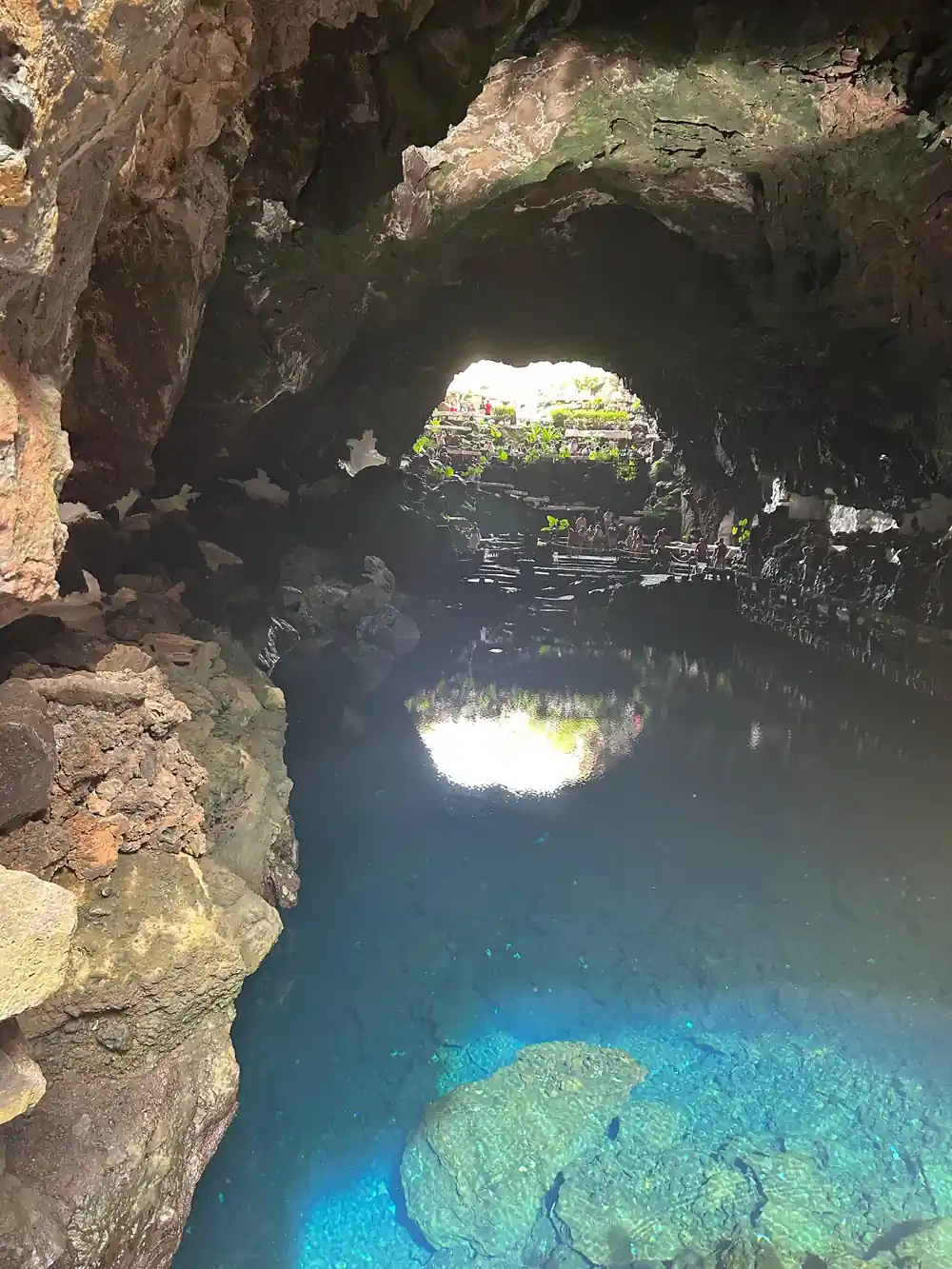
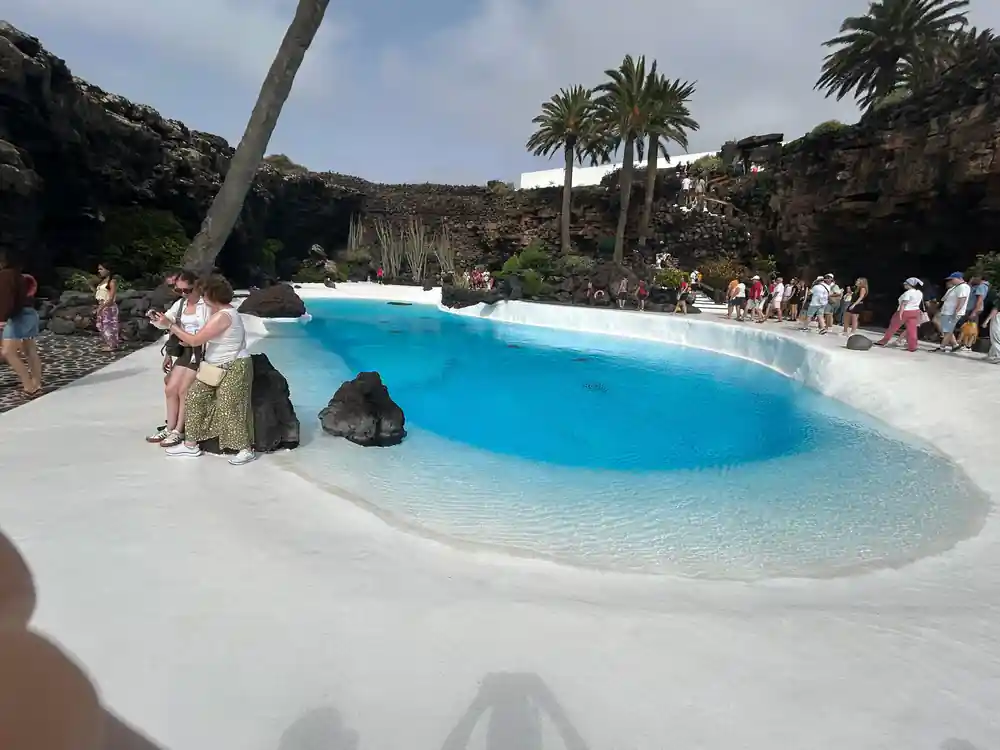
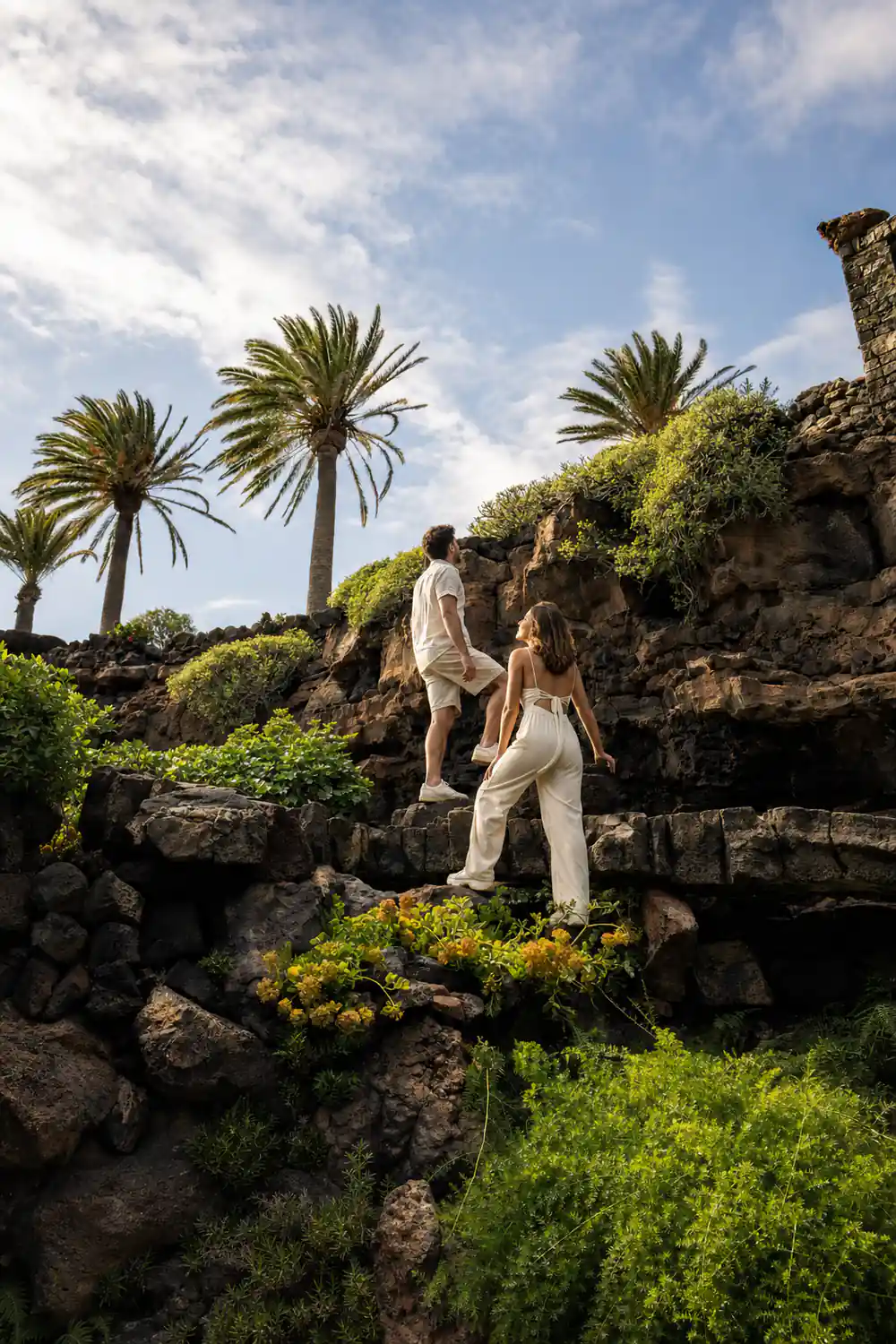
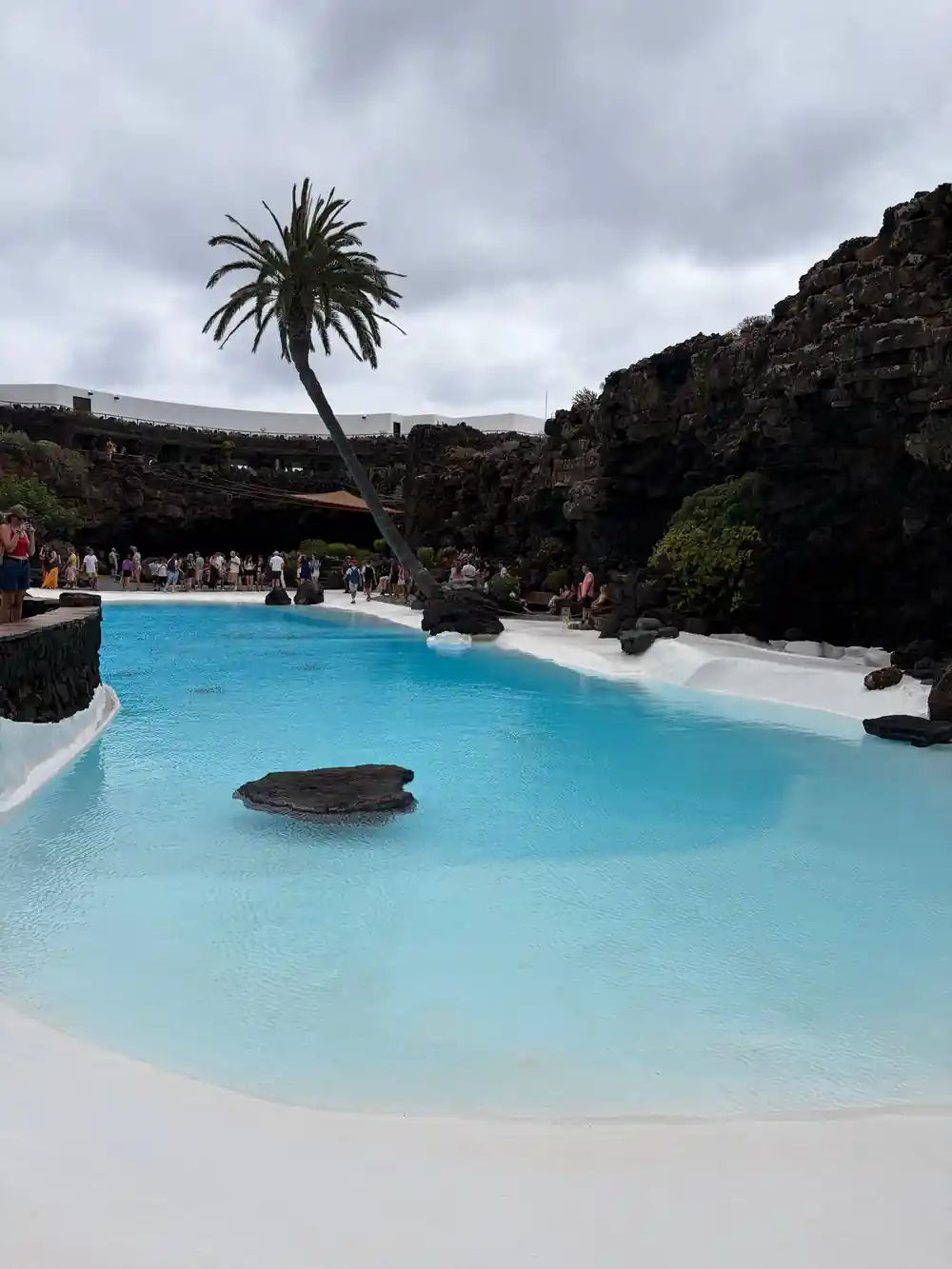
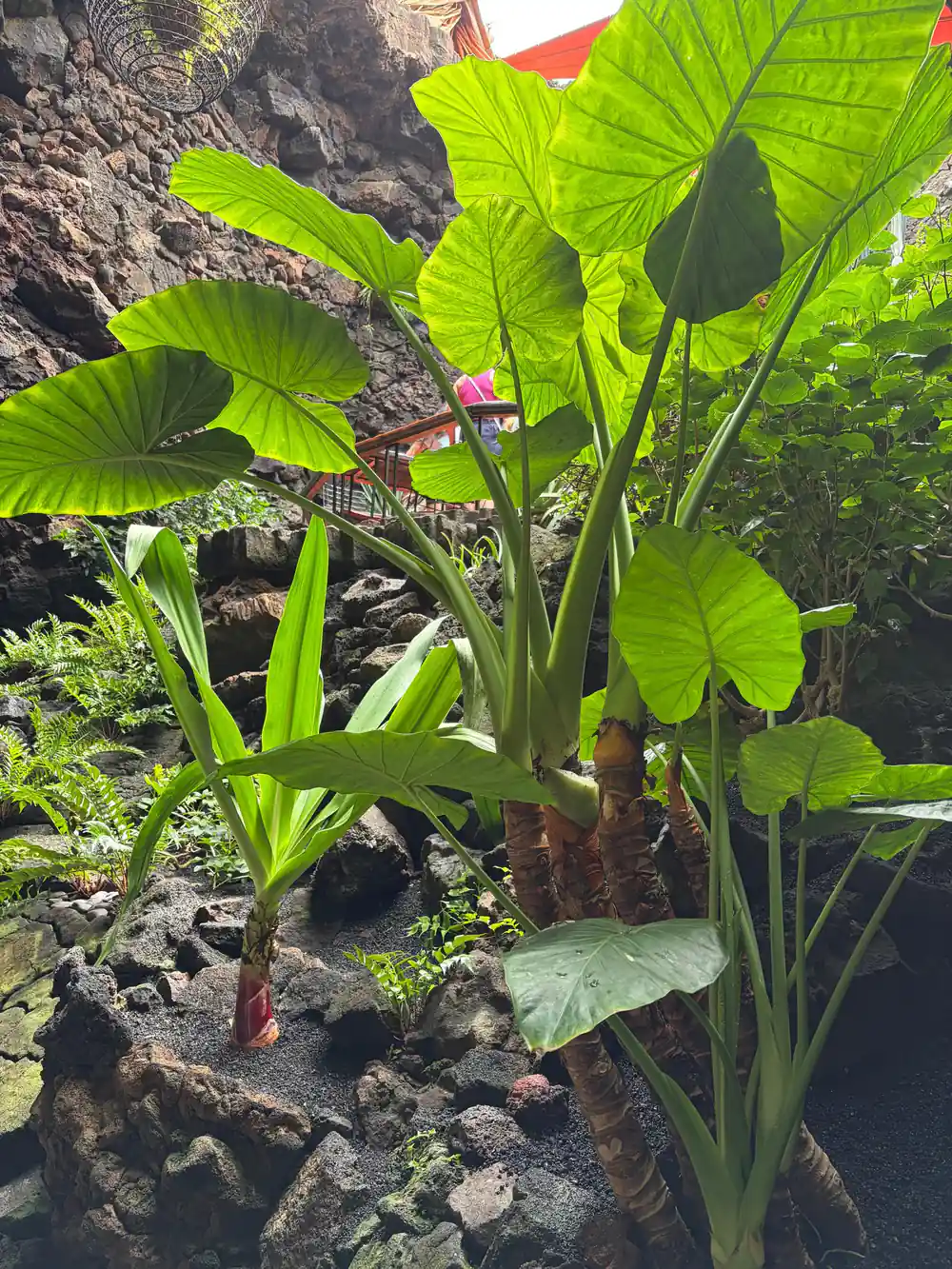
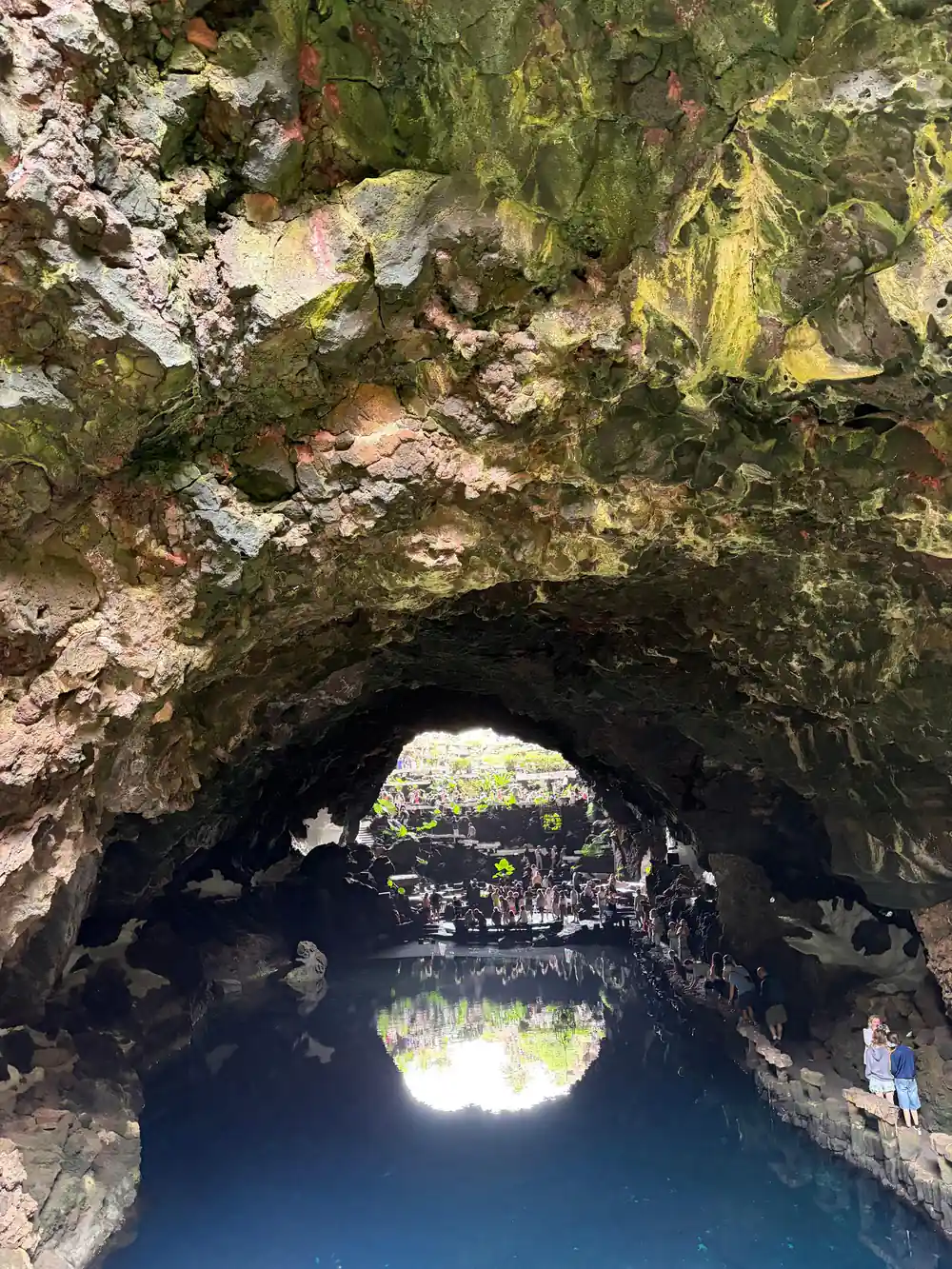
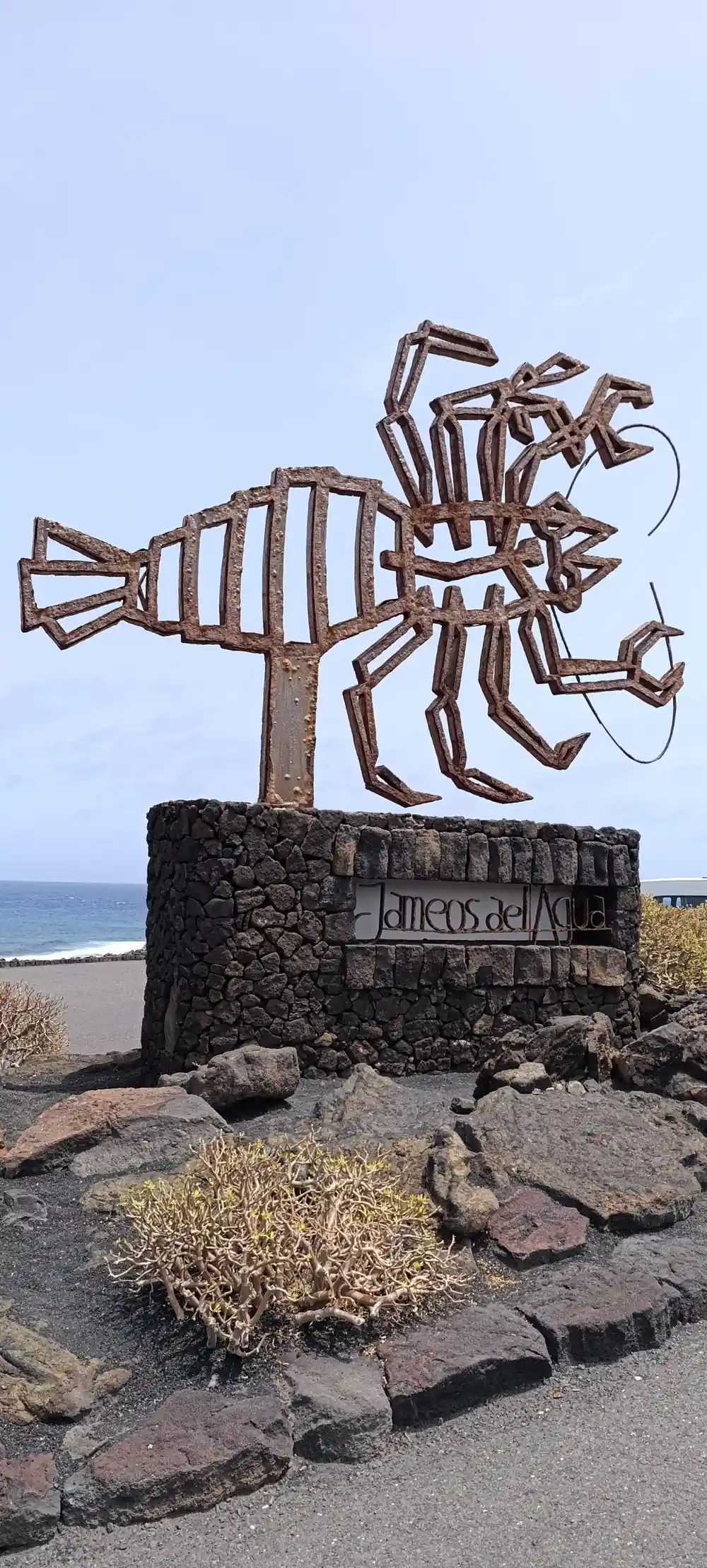
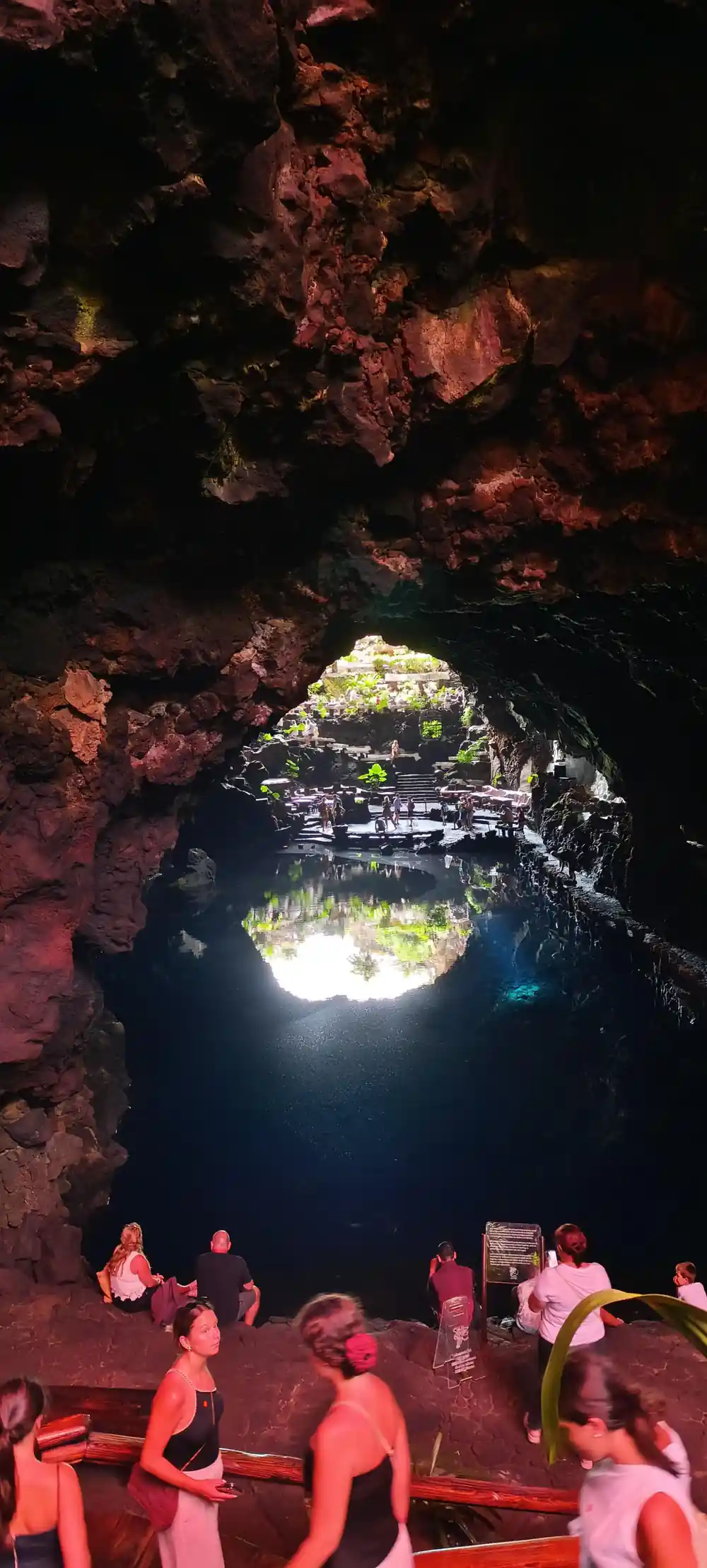
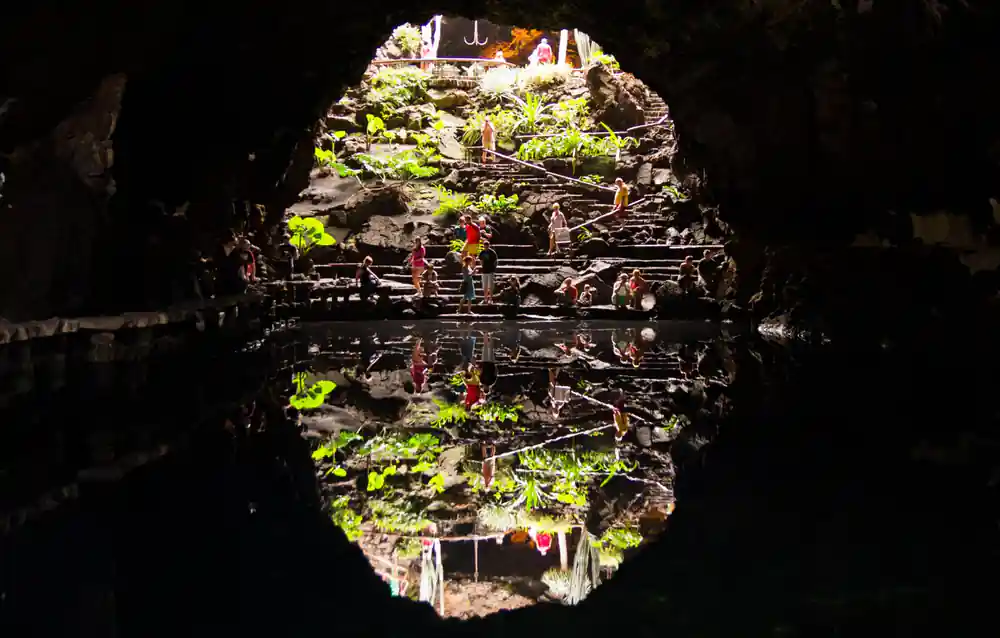
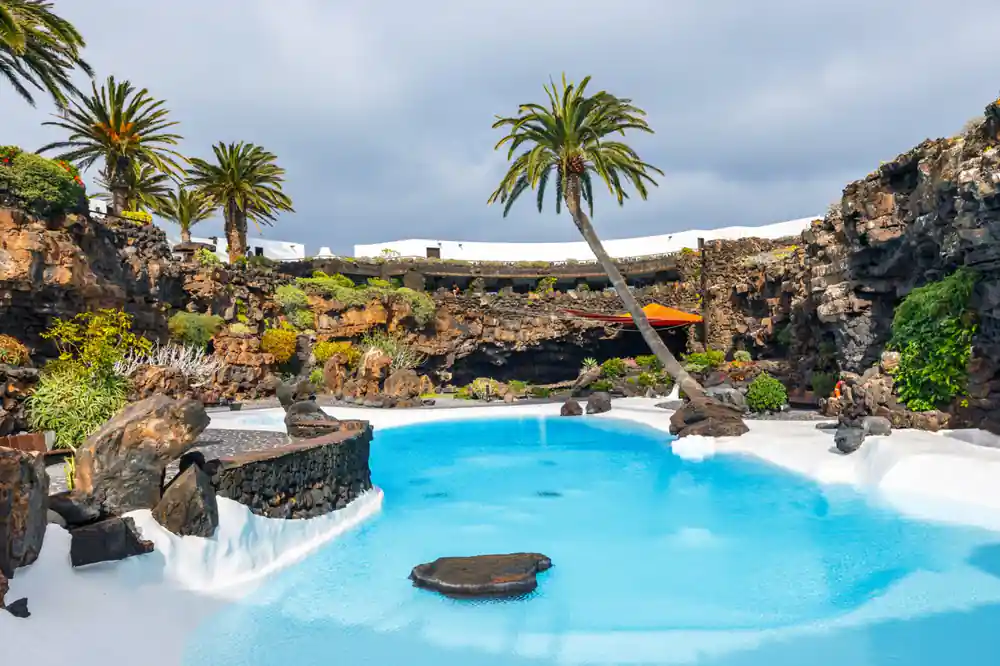
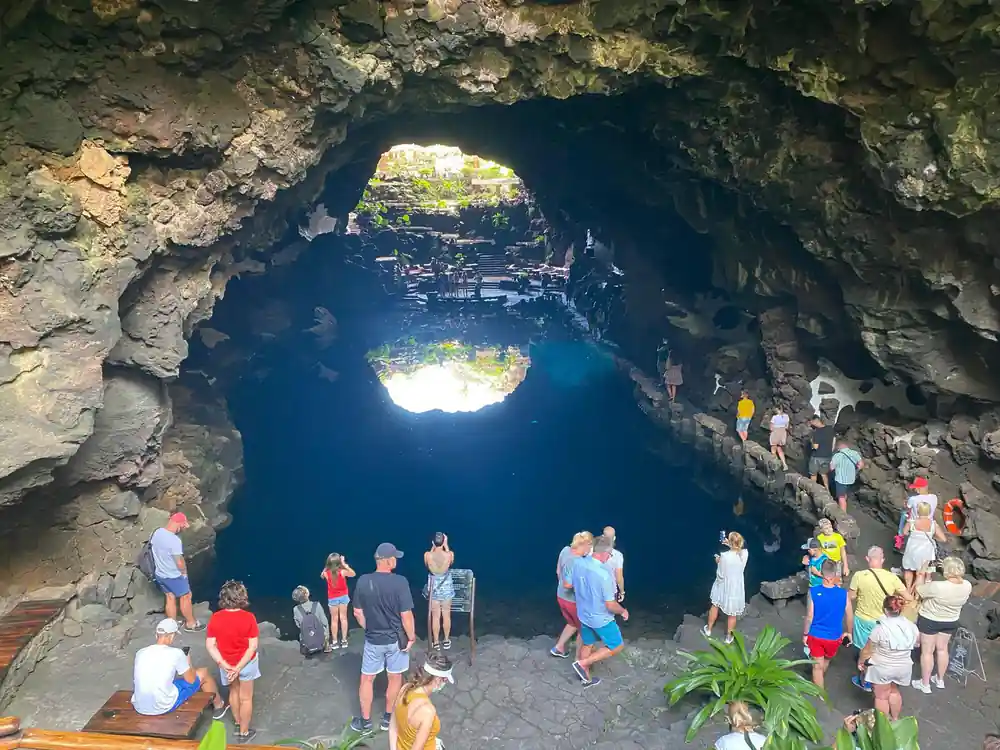
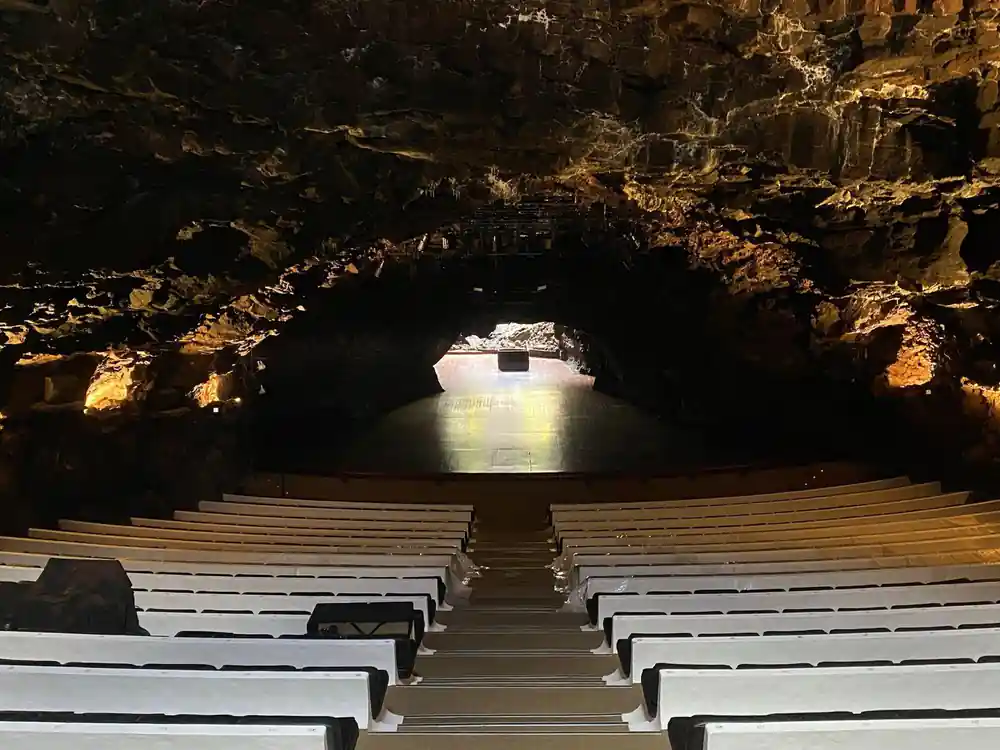
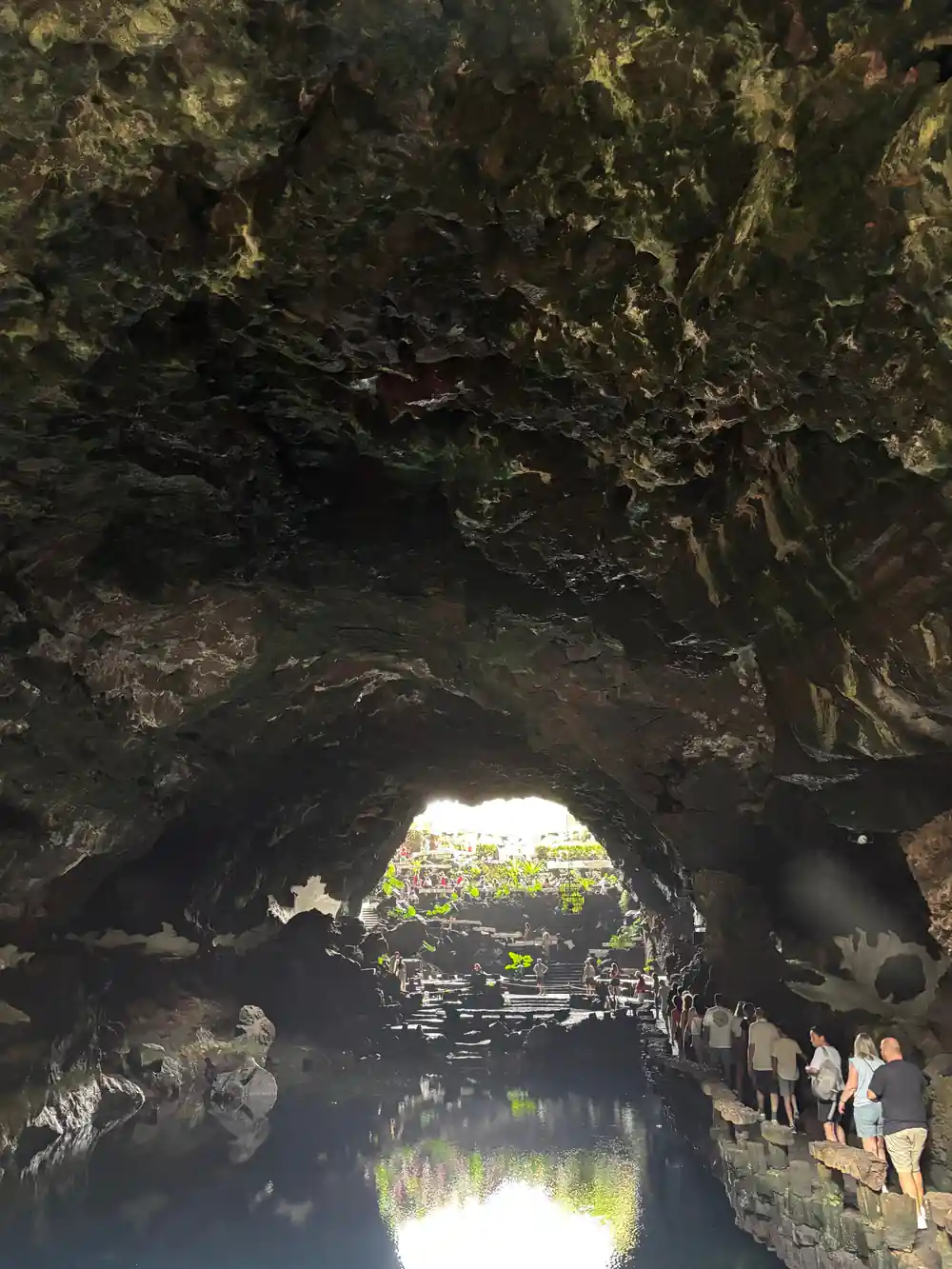
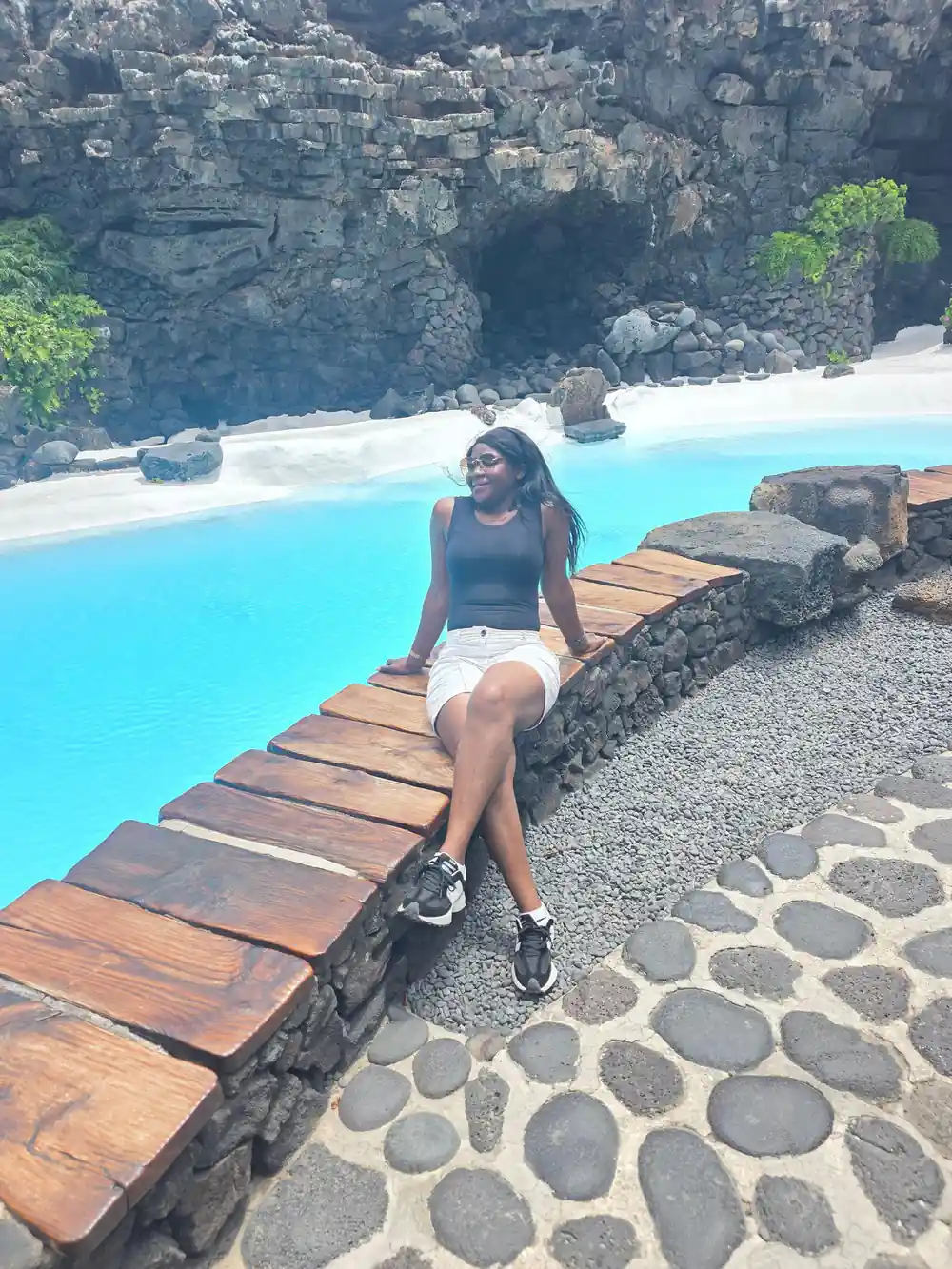
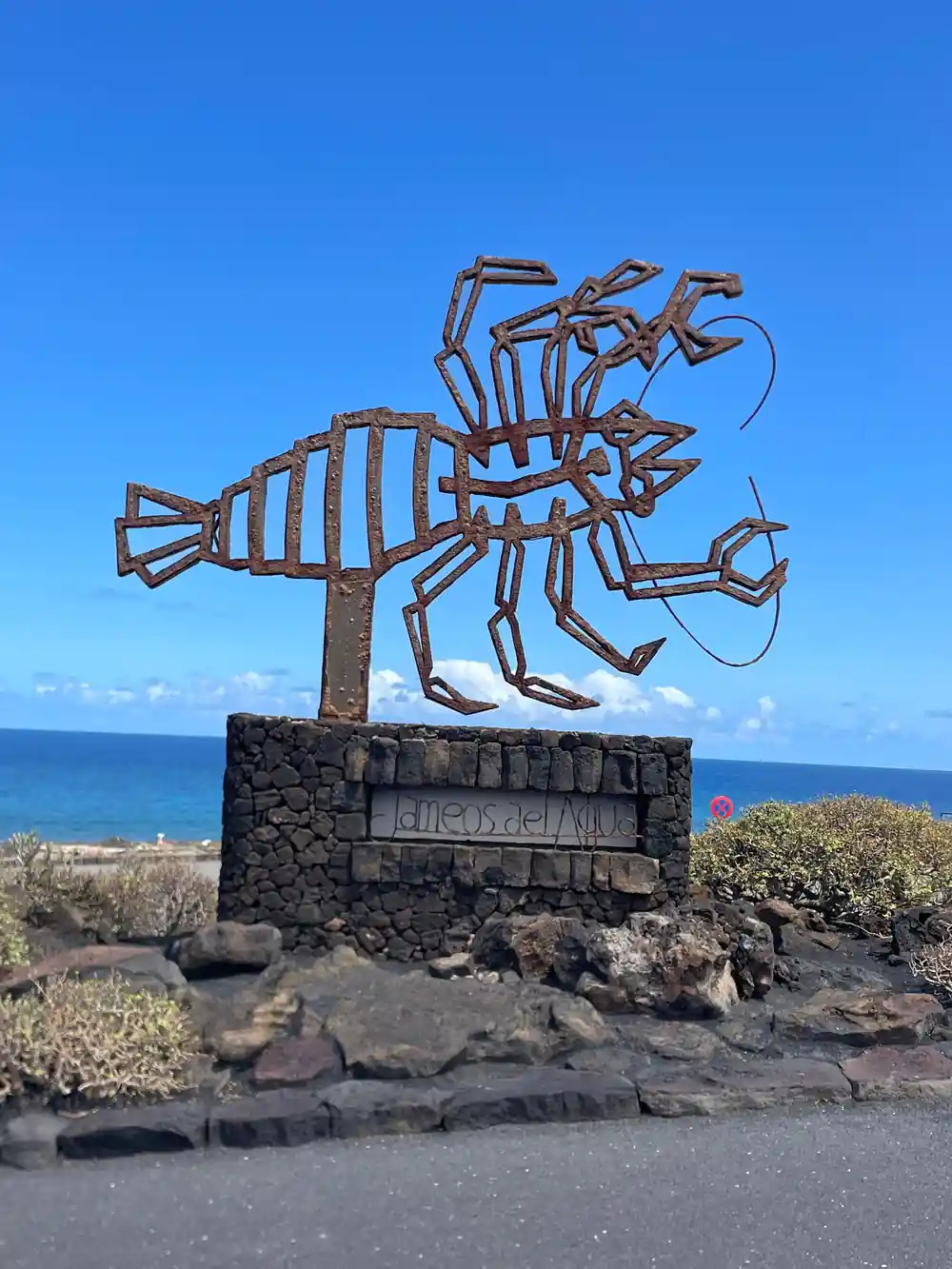
Jameos del Agua is where the volcanic landscape meets architecture and artistry. A 'jameo' is a sinkhole formed when the roof of a lava tube collapses, and this particular site combines several sinkholes connected by galleries. What makes it remarkable is that César Manrique, Lanzarote's visionary artist and architect, transformed this geological feature into a cultural venue in 1966 without imposing jarring structures. The result is a series of underground caverns that house a restaurant, a nightclub venue, a small lake with blind white crabs, and exhibition spaces, all integrated into the volcanic rock with minimal visual disruption.
The setting is dramatic in a different way from the other sites: instead of raw geology, you're experiencing how the island's inhabitants have learned to live within and celebrate these volcanic formations. The lake, populated by endemic blind crabs found nowhere else on Earth, is a biological oddity worth seeing. Your entry is included in the tour package. Jameos del Agua tends to be the final stop, and depending on timing, you may have an hour or more to wander, eat, or simply sit and absorb the atmosphere before the return journey.
How the Nine Hours Break Down
A 9-hour tour is not nine hours of pure sightseeing; it includes travel time between the three sites, which are separated by distances that require 20 to 40 minutes of driving depending on where you start. Expect roughly two to two and a half hours on the bus total, though this is time when the guide can point out features of the landscape and provide context. The remaining time divides between the three sites on the operator's own schedule: Timanfaya is the longest at 100 minutes, then Cueva de los Verdes at 55 and Jameos del Agua at 55. The pace is deliberate enough that you're not sprinting through each location.
Pickup and drop-off happen at selected locations and eat into the total time, but this is unavoidable with any organized tour. If you're picked up from a hotel or apartment in a central location like Puerto del Carmen or Arrecife, the actual tour driving time is shorter than if you're from a more remote spot. The 9-hour span is timed so that by mid-afternoon you're at Jameos del Agua, the final stop, which means you finish and return without an exhaustingly late evening. This pacing suits people who want to see all three major volcanic sites without an all-day commitment.
What Is and Isn't Included
The tour includes pickup and drop-off at your chosen location, transportation in an air-conditioned bus, a guide for the day, and entry to all three sites. This means you arrive at each location without needing to buy separate tickets or worry about access. If you were doing this independently, you'd need to rent a car, navigate to each site, pay entry fees at each one, and spend time figuring out the routes and parking. The organized tour eliminates these friction points and the uncertainty of whether you're seeing everything efficiently.
What the tour does not include is meals or drinks during the day. This is important to note because nine hours is a long stretch, and you'll likely want lunch. Jameos del Agua has a restaurant on-site where you can eat, but this is not pre-arranged or prepaid. You should bring water and snacks, or plan to purchase lunch at Jameos del Agua. Some Lanzarote tours of this type build in time for lunch, but confirm with the operator whether your specific departure includes a meal stop or simply time at a location where food is available for purchase.
Is This Tour Worth Booking
For most visitors, the answer is yes, particularly if you don't want to rent a car or if you're uncomfortable navigating unfamiliar roads. The three sites are geographically spread, and getting to all of them in a single day without a guide would require renting a vehicle, studying maps, and managing parking and entry logistics yourself. The guided approach gives you reliable context about why each site matters and what you're actually looking at, rather than just taking photos. A guide transforms a volcanic landscape from 'that's a big empty field of rocks' into 'this is the result of a seven-year eruption event that fundamentally altered the island's topology, and here's what life was like before and after.'
The tour is less worthwhile if you have your own transportation, prefer wandering without narration, or want to spend extensive time at just one or two sites rather than moving through all three. If you're interested primarily in geology and want to photograph Timanfaya for hours, an organized tour may feel constraining. If you're staying in Lanzarote for just a day or two and want to understand the volcanic character of the island efficiently, this structure works well. The tour suits travelers who value convenience, context, and a complete experience over flexibility.